In 1920, Edward, the Prince of Wales, toured Australia. He made a brief tour of Kurilpa, passing huge crowds, and driving up a very dusty Dornoch Terrace to Highgate Hill Park.
Australia in 1920
After 5 years of war, following the armistice of November 1918 the 67,000 Australian service personnel in Europe and the Middle East began returning home. With a worldwide shipping shortage, this was a logistical challenge, and the last transport ship finally arrived in Fremantle in September of 1919. Over 200,000 Australians had been killed or wounded from a population of just under 5 million. To make matters worse, soldiers brought back influenza, spreading the pandemic to Australia, where 15,000 died from the disease.
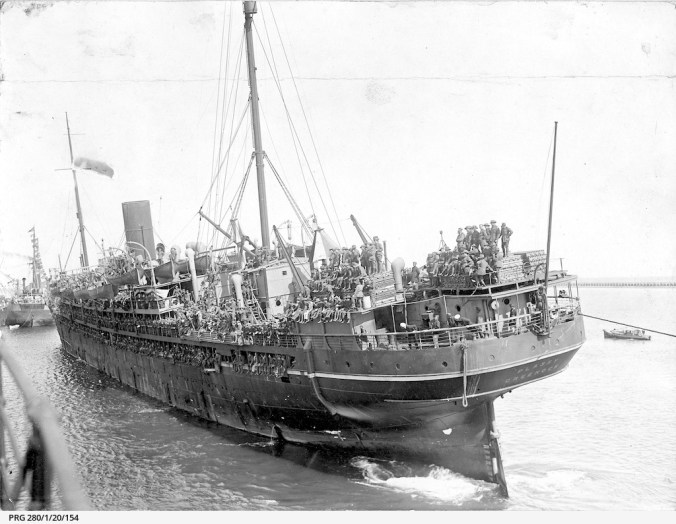
The Prince
As is still the case, the public had a fascination with the royal family, and especially with Prince Edward, the heir to the throne who was born in 1894. In addition, Australia’s population was largely of British origin, and there remained a strong sense of being part of the British Empire.
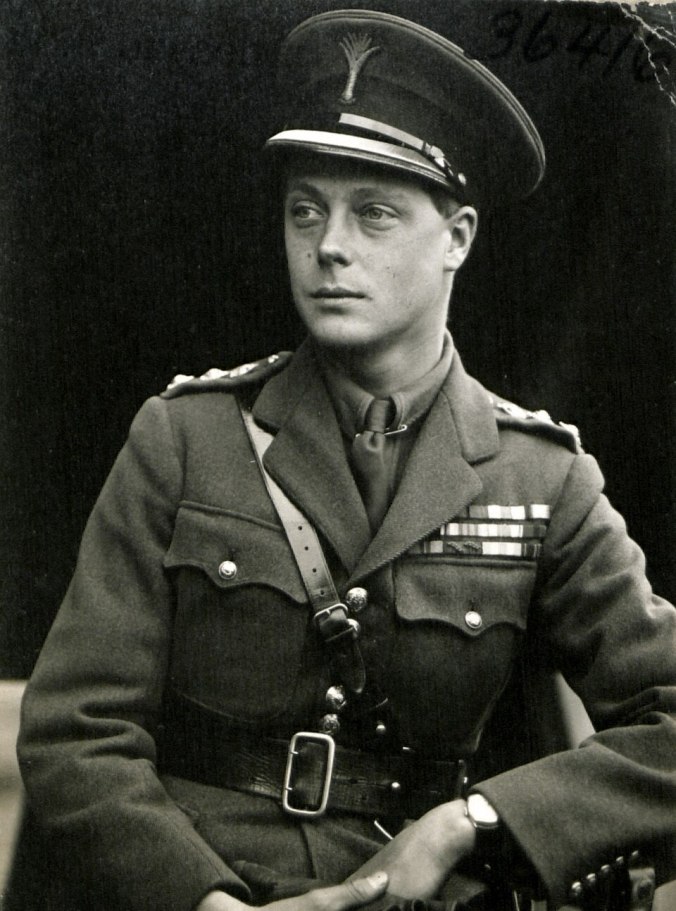
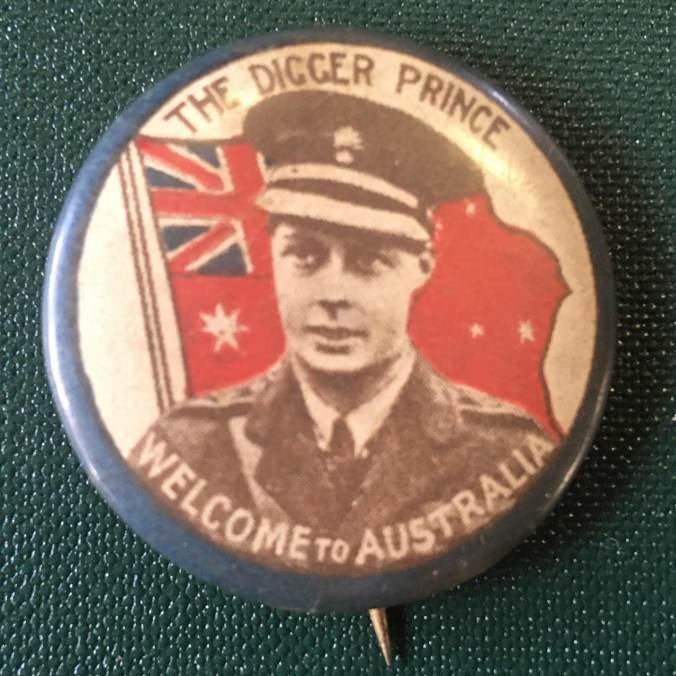
The Prince of Wales had joined the Grenadier Guards in 1914, however he was forbidden to serve on the front lines due to the risk of his being captured by the enemy. He served as a junior staff officer in France at the headquarters of the Commander of the British Empire Forces, Sir John French. He was also active in visiting troops and awarding medals. All this made him popular with returned service personnel. In Australia, he gained the nickname the Digger Prince.
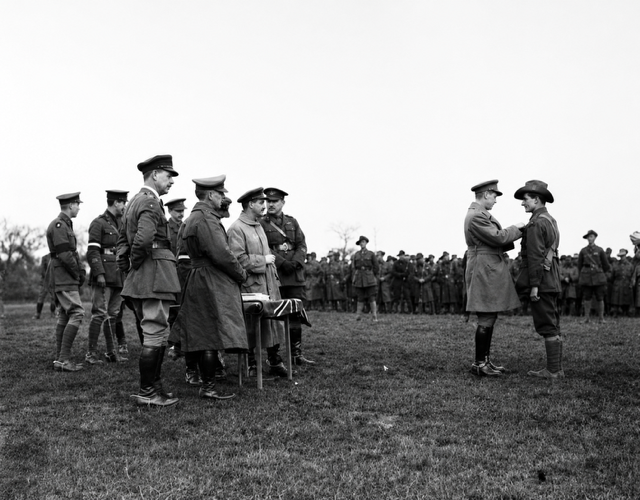
Edward goes on tour
Before the outbreak of World War 1, King George V had intended to send his heir on a trip around the dominions. In 1919, the idea was revived, with a focus on bolstering popular support for the monarchy and for the empire. The King and British government also thought it would help prepare him for public life. His first tour in 1919 was to Newfoundland and Canada. In March of 1920, he set out on a 7-month journey aboard the battleship HMS Renown, accompanied by his cousin Louis Mountbatten.
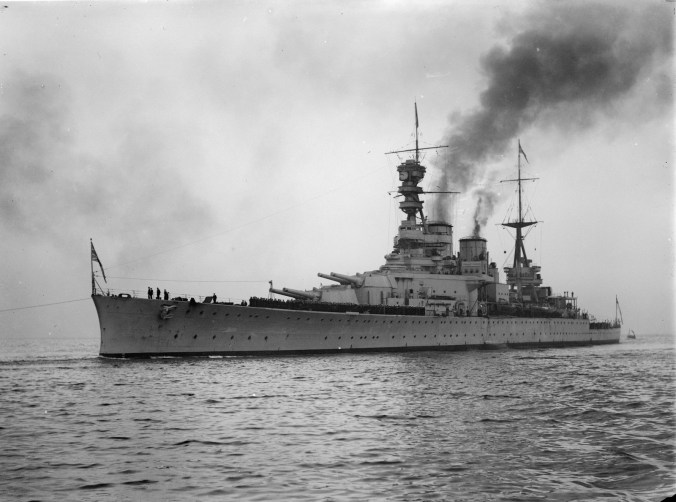
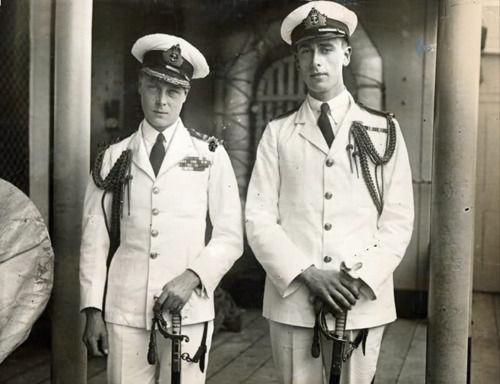
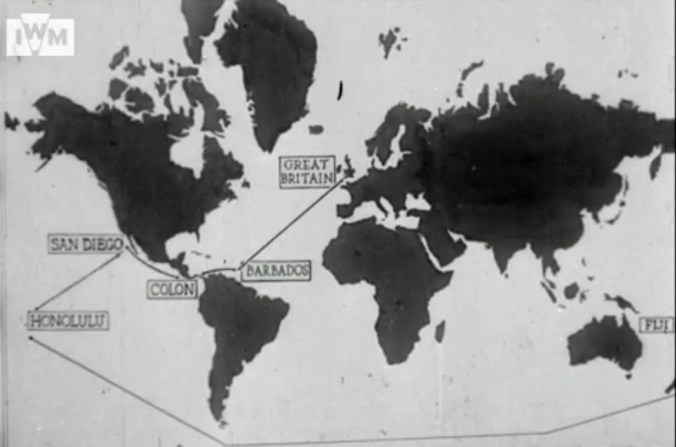
On the outward journey, they visited Barbados, Panama, San Diego, Honolulu, Fiji, New Zealand, and Australia.
The prince arrived in Melbourne on the 26th of May, 1920. Edward encountered large, enthusiastic crowds, with an estimated 100,000 at Sydney Town Hall on the 18th of June. In a letter, he complained of being covered with bruises after being poked or slapped on the back by members of enthusiastic crowds.
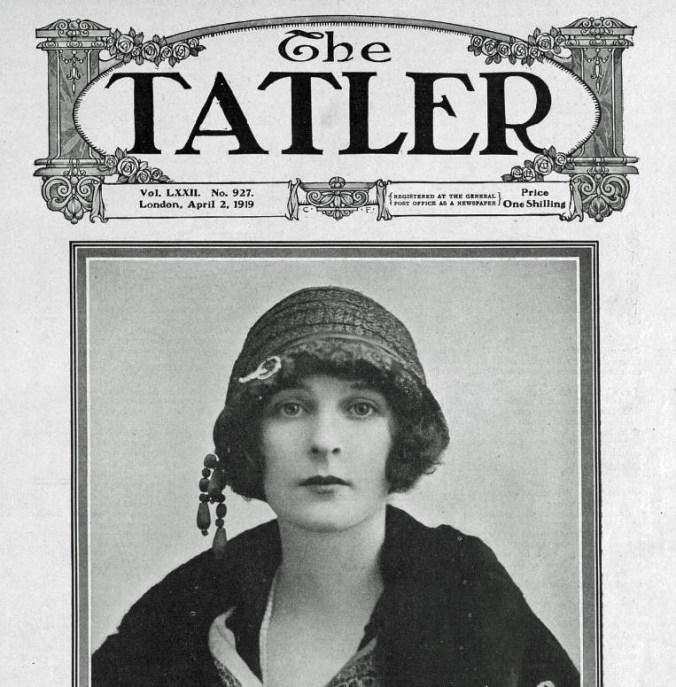
During the long tour, he regularly corresponded with his long term lover, socialite and married mother of two Freda Dudley Ward. The letters were transported in a diplomatic bag, and he became quite anxious while waiting for a reply to each letter. According to an ABC article Not only were the letters soppy and immature, they also betray unabashed elitism, sneery upper-crust snobbery, and in his account of meeting First Nations peoples, appalling racism.
Prince Edward visited all states, with Queensland being the last. By then, huge anticipation had grown, fueled by news reports from other countries and Australian states. Edward arrived in Queensland by train from Sydney and spent time with the soldier settlers in the Stanthorpe district before continuing to Brisbane.
The tour of Kurilpa
On the 29th July, one of his engagement-filled days, the prince toured Kurilpa. The visit was described in detail in a newspaper report entitled Loyal South Brisbane. A large number of school children had been brought in from schools across the south side of Brisbane and gathered at three points along the route.
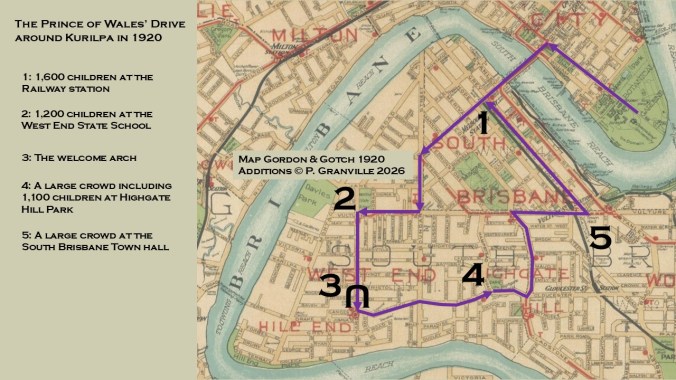
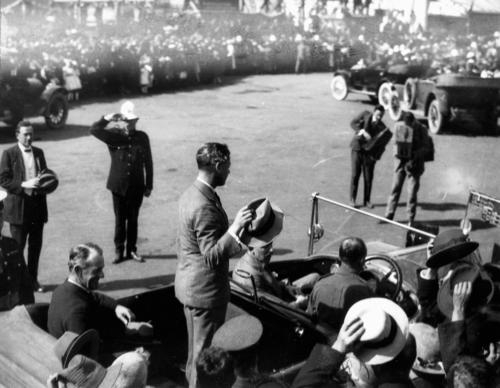
After leaving Old Government House, the motorcade travelled down Melbourne, Boundary and Vulture Streets. The newspaper report described how he frequently stood in his car with his hat raised. Security was at a minimum and the article mentions that two stalwart marines and two Welsh Guards took turns in running by the side or standing on the footboard, one on either side.
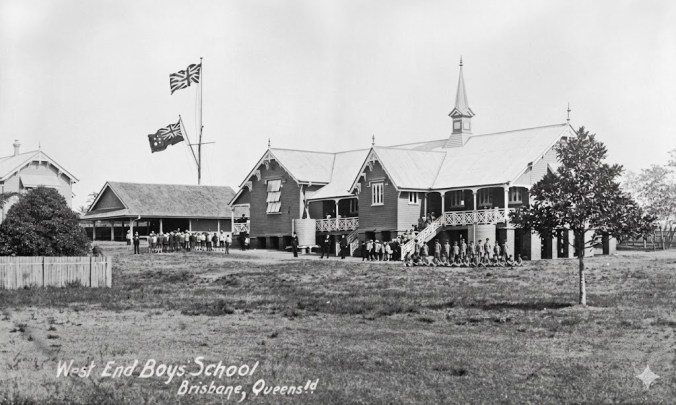
At West End State School, the motorcade stopped while around 1,200 children sang the then national anthem, God Save the King.
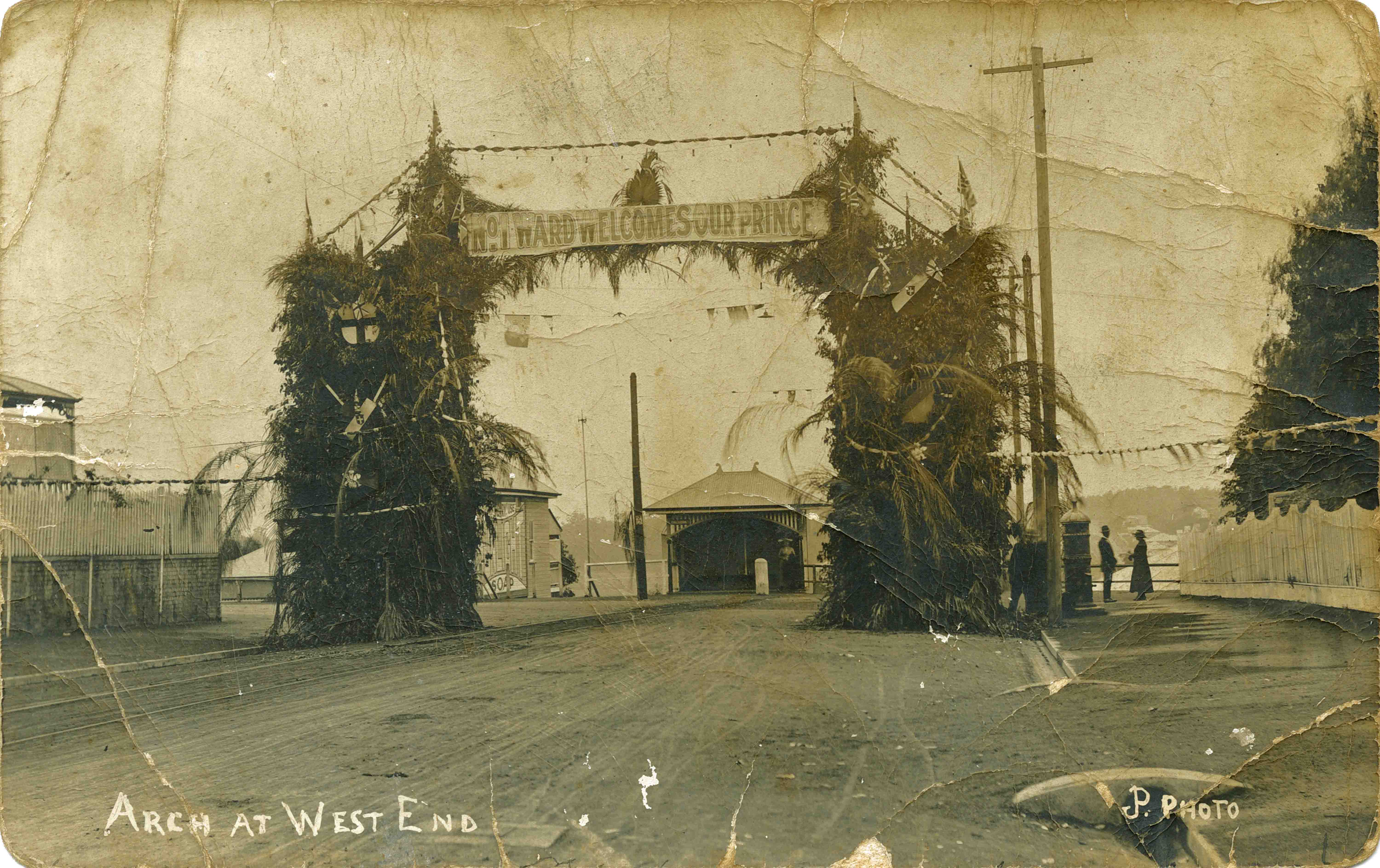
They then proceeded down Hardgrave Road where a welcome arch had been erected at the corner of Dornoch Terrace. No. 1 Ward on the arch’s banner referred to a division of the South Brisbane City Council that comprised approximately all of West End and Highgate Hill. The arch was one of many erected around the country, including three in Queen Street, Brisbane.
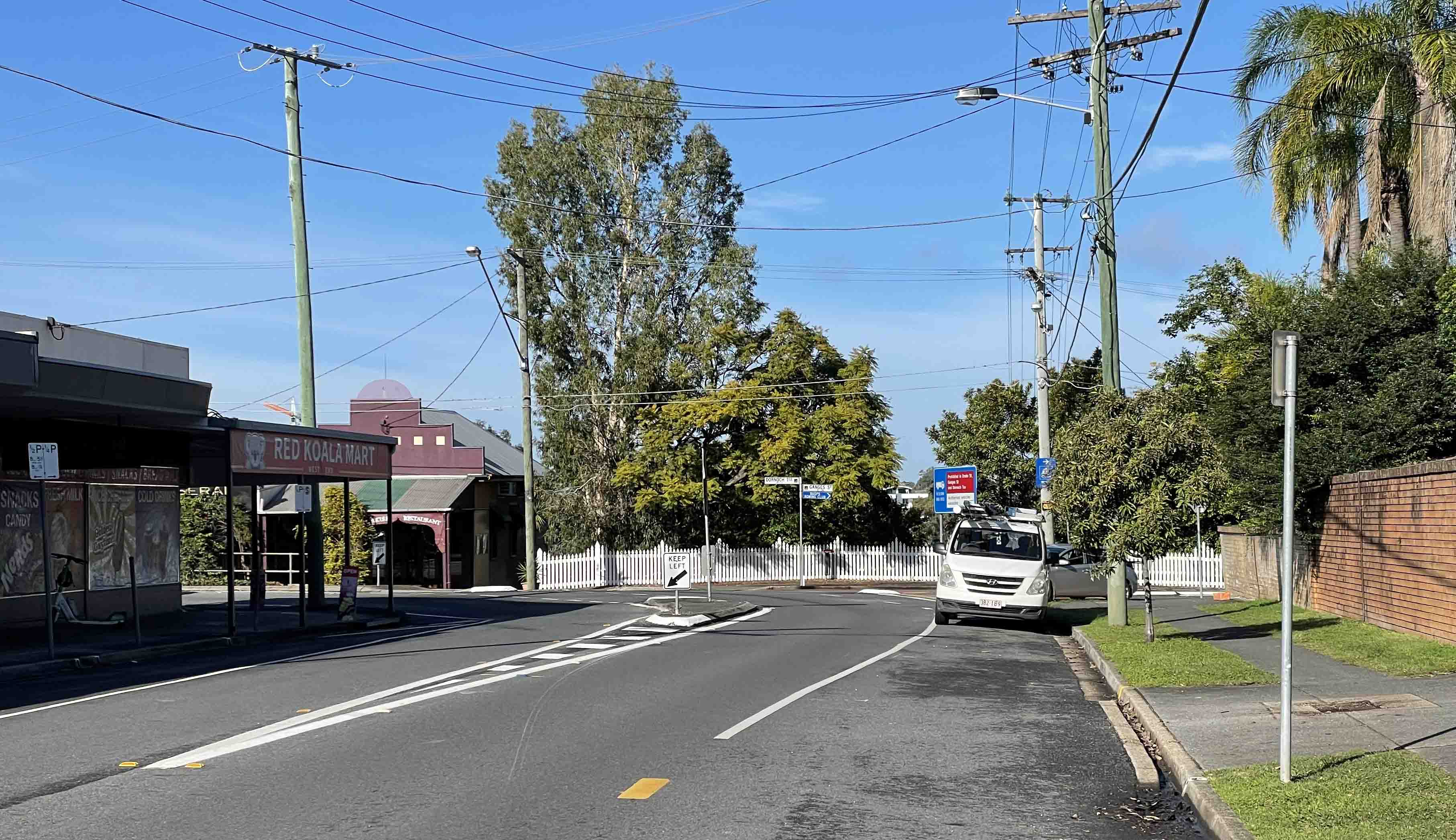
Proceeding up Dornoch Terrace, the article commented that the pleasure of the drive from now on was largely discounted by the clouds of dust which rose from the unwatered roads. Dornoch Terrace was finally sealed in 1924. See my post Dornoch Terrace – A Pathway Through Time for more on this.
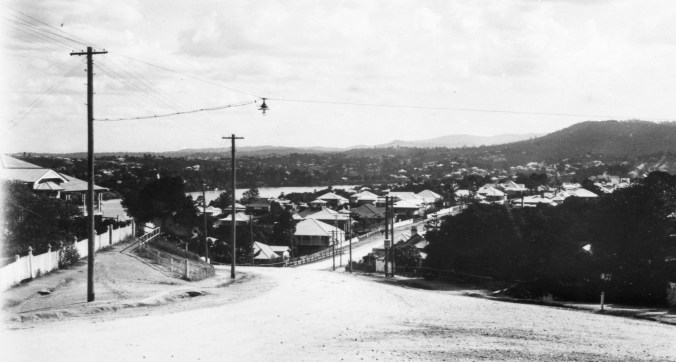
At the Highgate Hill Park, a dense crowd including 1,100 children had gathered, as a stop had been scheduled. Here the children sang not only God Save the King but also the 19th century royalist song God Bless the Prince of Wales.

From here, they headed down to the South Brisbane Municipal Chambers, commonly known as the Town Hall, now a part of Somerville House School. The newspaper article noted that a striking feature of the approach to the Town Hall was the parade of the South Brisbane Fire Brigade in full uniform outside the fire station. All the plant was fully manned, and on top of the extended fire escape ladder stood a fireman, hose in hand.
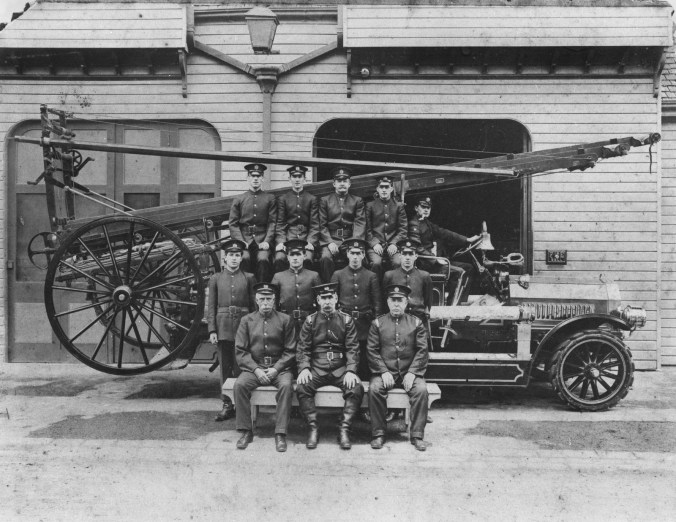
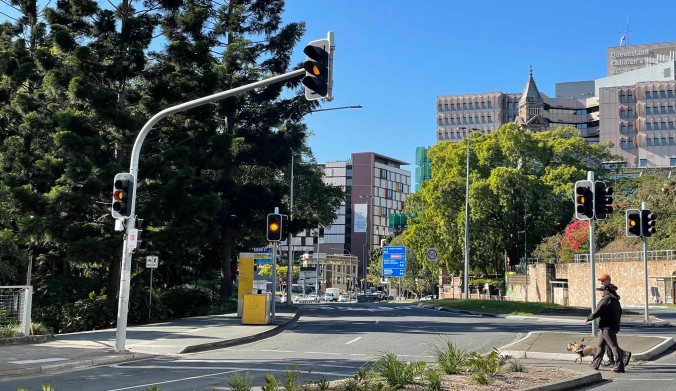
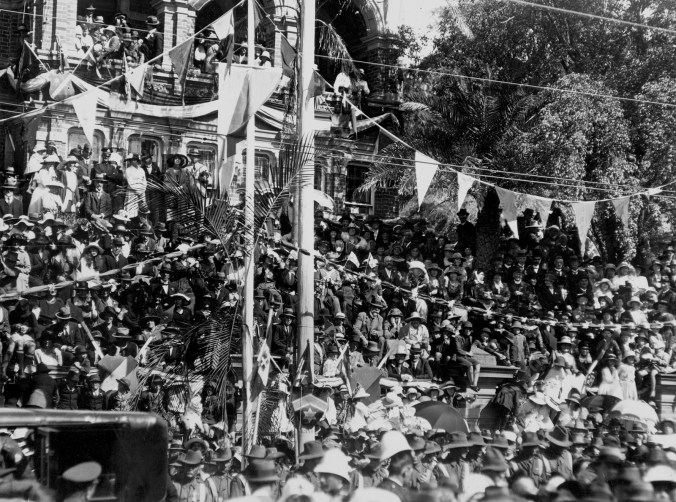
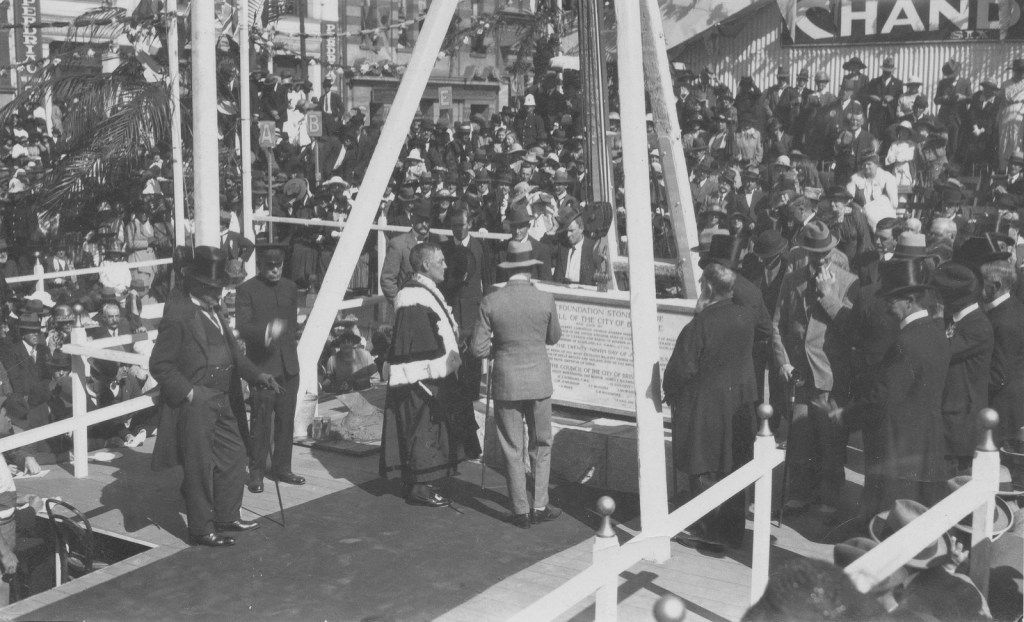
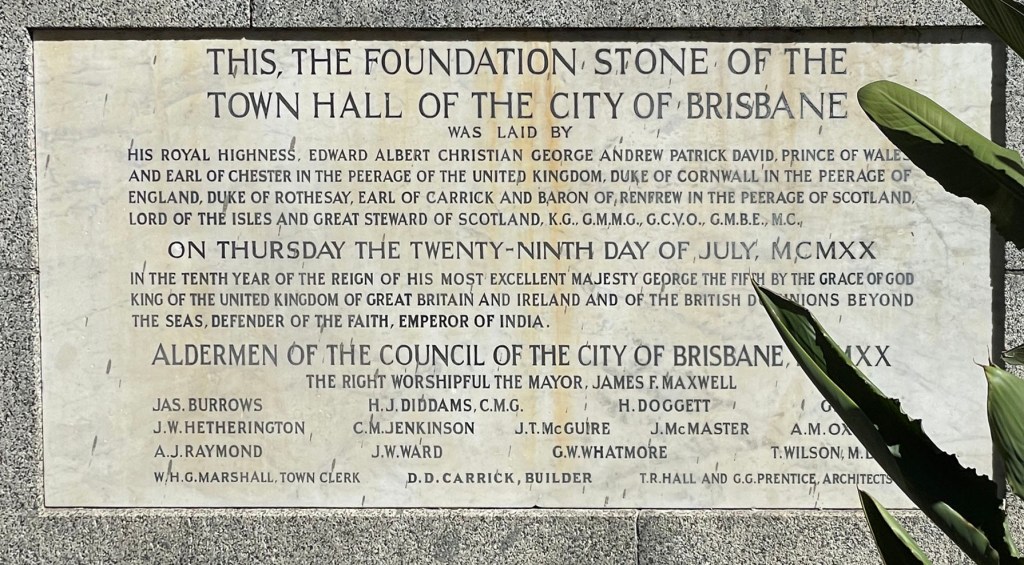
After a few speeches at the town hall, the prince headed back to the city, where he laid the foundation stone of the new Brisbane City Hall. One reporter recorded cries from the crowd such as Dinkum Digger Teddy and How about another smile Teddy.
The tour continues
The Prince of Wales remained in Queensland until the 5th of August and departed Australia on the 16th.
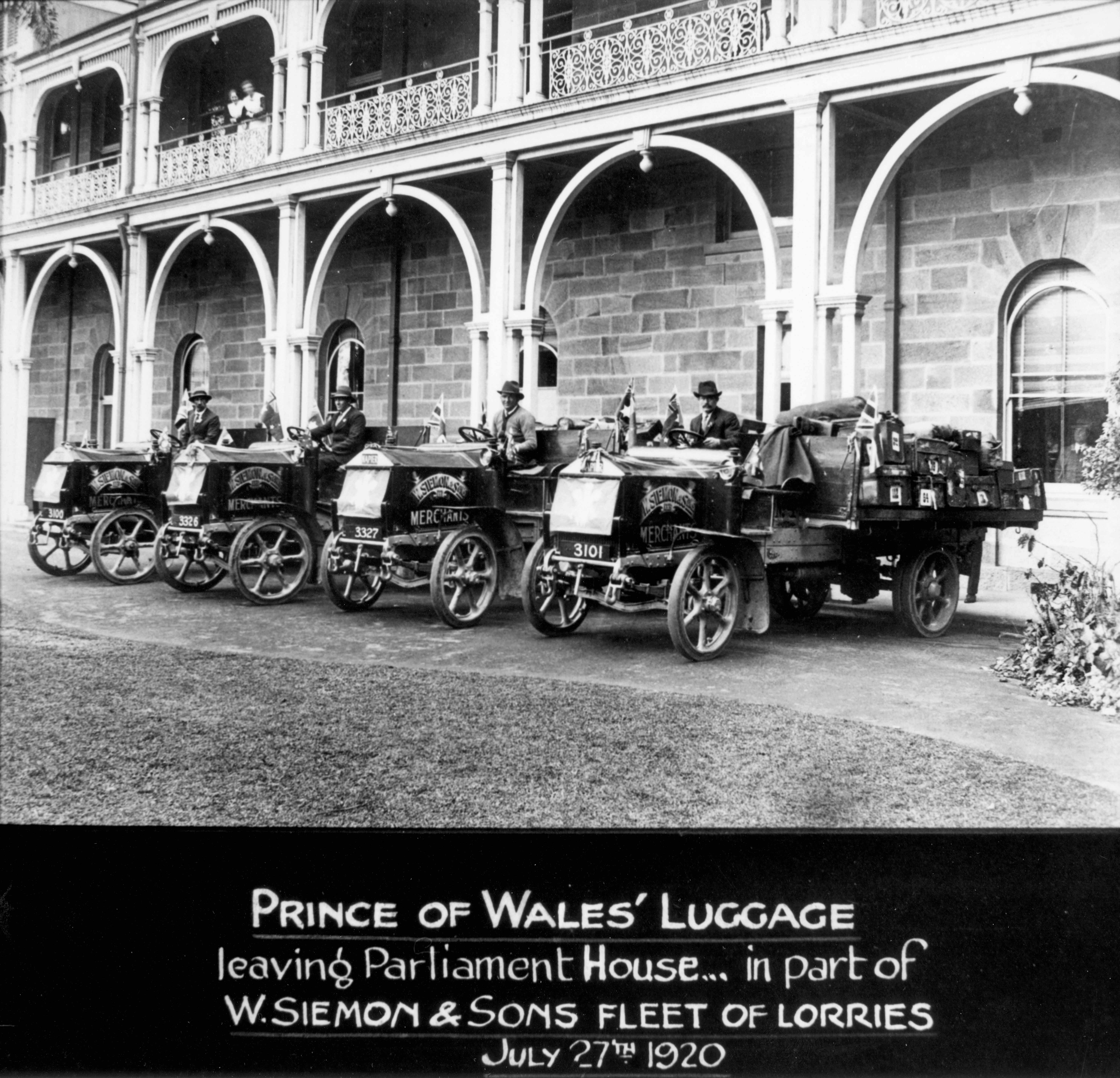
A letter he wrote addressed to the school children of Australia was read aloud in schools and later a copy was distributed to pupils across the country.
H.M.S. “Renown”
Sydney 16th August 1920
Girls and Boys,
My wonderful first visit to Australia is nearly over & I want to tell you before I sail how sorry I am to be going & to give you all my best wishes…….Please always think of me as one of your own kin who will try to serve Australia as truly all his life as you will yourselves.
[signed] Edward P.
Edward was never to return to Australia
The Renown returned to Britain, stopping at Samoa, Trinidad and Bermuda on the way. The following year, the prince embarked on a tour of the Indian subcontinent, which was a diplomatic failure. A strong drive towards independence, including Mahatma Gandhi’s Non-Cooperation Movement, led to many events being boycotted.
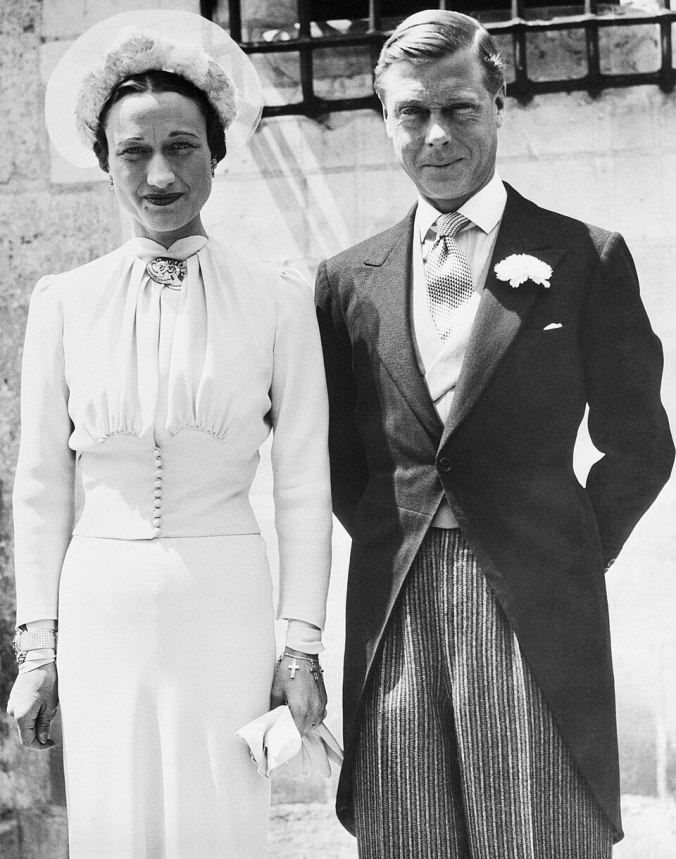
He ruled briefly as Edward VIII from the death of his father, King George V, on 20 January 1937 until his abdication and marriage to Wallis Simpson 11 months later.
© P. Granville 2026


There is a plaque in the garden recognizing the site of South Brisbane Fire Brigade in 1913. Great research & great photos – many thanks Ray Pini
LikeLiked by 2 people
Thanks Ray. Yes I’ve seen the plaque and it’s a good thing that it was placed there.
LikeLiked by 1 person
Thanks Paul. An interesting read and great photos. Helen, Skinner St.
Sent from my Galaxy
LikeLiked by 2 people
Paul,
Another magnificent assembly of history for the annals of South Brisbane and you have done Kurilpa ‘royally’ proud … but that assessment is only based on a quick scroll thru … as I have yet to print for my careful reading and archiving … and do love the images showing the Welcome Arch site (then and now) at the Dornoch end of Hardgrave Road … indeed, only a few days ago on Gemini AI did I learn my grandparents (post their wedding in 1916 but before a 1930 permanent move to 127 Gray Road) had rented the cottage on the city side of this corner with Loch Street and so I’ll never again drive that way and not feel some affinity with that naughty, somewhat truculent young (almost narcissistic ??) David … and isn’t it interesting how his self-serving ( epoch tilting??) shadow is still cast over ‘certain’ members of the House of Windsor!
John Carson
LikeLiked by 2 people
Thanks for your very kind comment John
LikeLiked by 1 person
Terrific article thank you!
LikeLike
Paul, thanks for another brilliant article.
But one question, you refer to ‘Kurilpa’ but was that the term used at that time? I thought it was a relatively recent usage.
Bill
Dr William J Metcalf
Adjunct Lecturer, Griffith University,
Honorary Associate Professor, University of Queensland,
Brisbane, Australia
LikeLike
Thanks Bill.The state electorate was called Kurilpa from 1912 to 1986. It disappeared in a redistribution.. European use of the place name goes back to at least the 1860s, when Karilpa Dairy Farm on Montague Road was subdivided to form the Karilpa Estate.
LikeLike