The story of the large house Trevenen on Westbourne Street, Highgate Hill, follows a pattern that is all too familiar. Built between the 1870s and 1880s to house a large affluent family, it was modernised in the 1920s when it enjoyed its social heyday. Trevenen became a mixed family home and flats for some years before being divided into 8 flats over 60 years ago. Over time, its condition has steadily deteriorated and demolition has been approved.
The land
The land on which the large house Trevenen stands was surveyed and auctioned by the then new Queensland government in 1860. It was one of a number of blocks along a ridge that stretched from today’s Children’s Hospital to Boundary Street. Its traditional owners and visitors used the ridge as a habitual camping site.
Portion 153, comprising 7 acres 19 perches, or just under 3 hectares, was purchased by John Stephens for £21/7/2. Stephens, an accountant, was the younger brother of prolific land purchaser, businessman, and newspaper proprietor Thomas Blacket Stephens.

John Stephens subdivided the land in 1864, but sales proceeded slowly due to the poor prevailing economic conditions. In 1866, Queensland entered a depression, exacerbated by a prolonged drought. Construction of the cross-river bridge, which would have stimulated land sales in South Brisbane, ground to a halt.
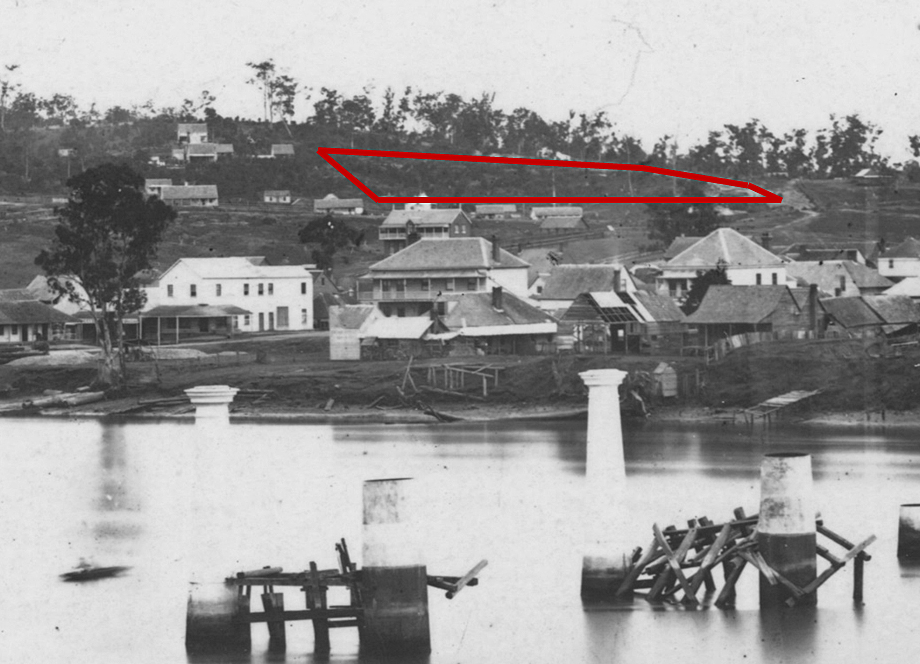
As described in my post The Fascinating Story of the First Victoria Bridge, after an agonising 10 years the Victoria Bridge was finally completed in 1874, and the blocks started to sell. Amongst the buyers was the Nott family.
The Nott family
Origins, marriage and emigration
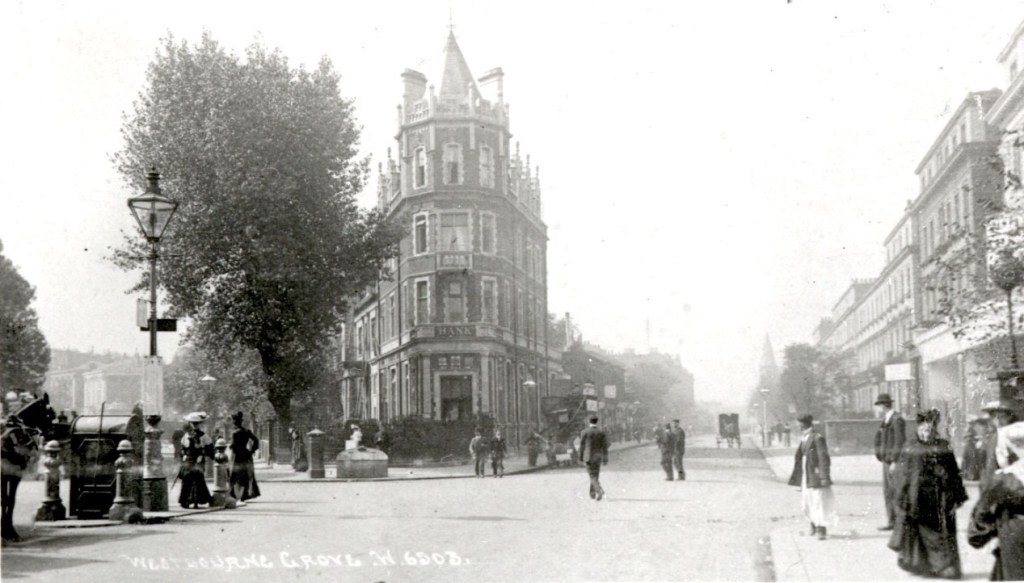
In 1839, Philip Nott was born in the hamlet of Trevarrick, in the Parish of Saint Gorran, Cornwall. He was descended from a long line of carpenters and builders. Philip moved to London, probably in the late 1860s, where he worked as a joiner. He was living in an area called Westbourne Park.
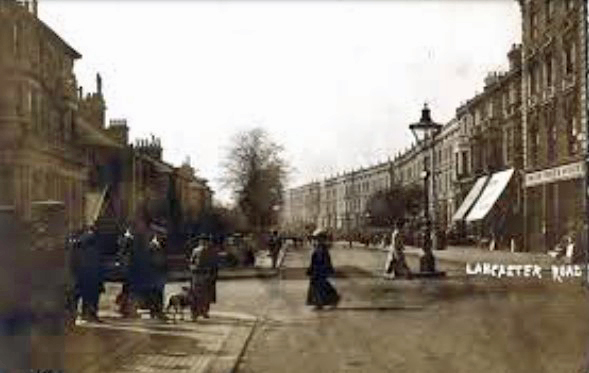
In 1870, Philip married his next door neighbour Martha Jane Wright in the Methodist Chapel in Lancaster Road, Notting Hill.
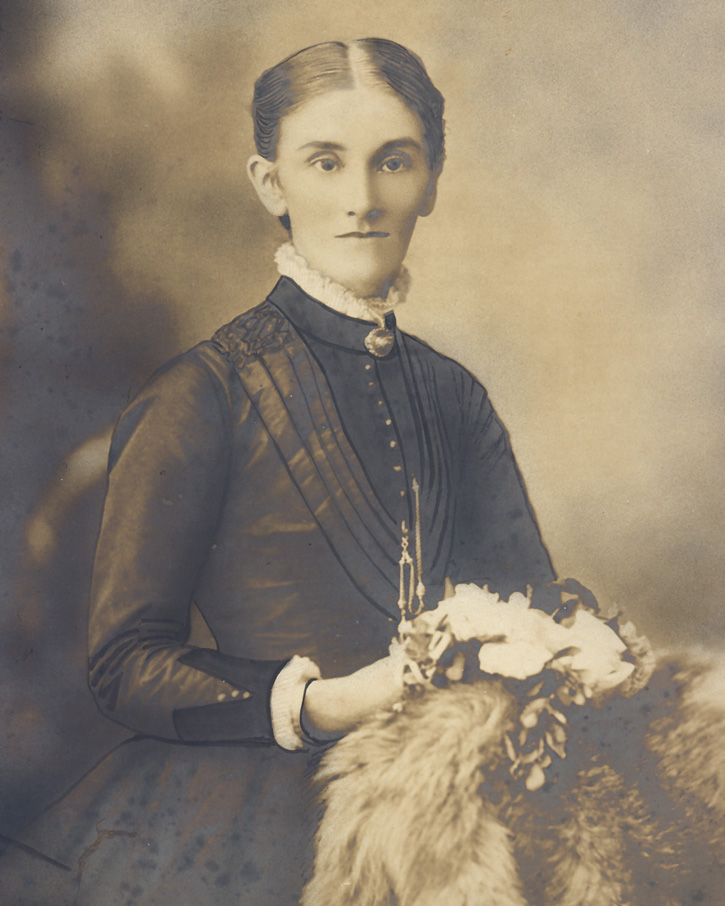
Martha was born in 1849 in Norwich, Norfolk, making her 10 years younger than Philip.
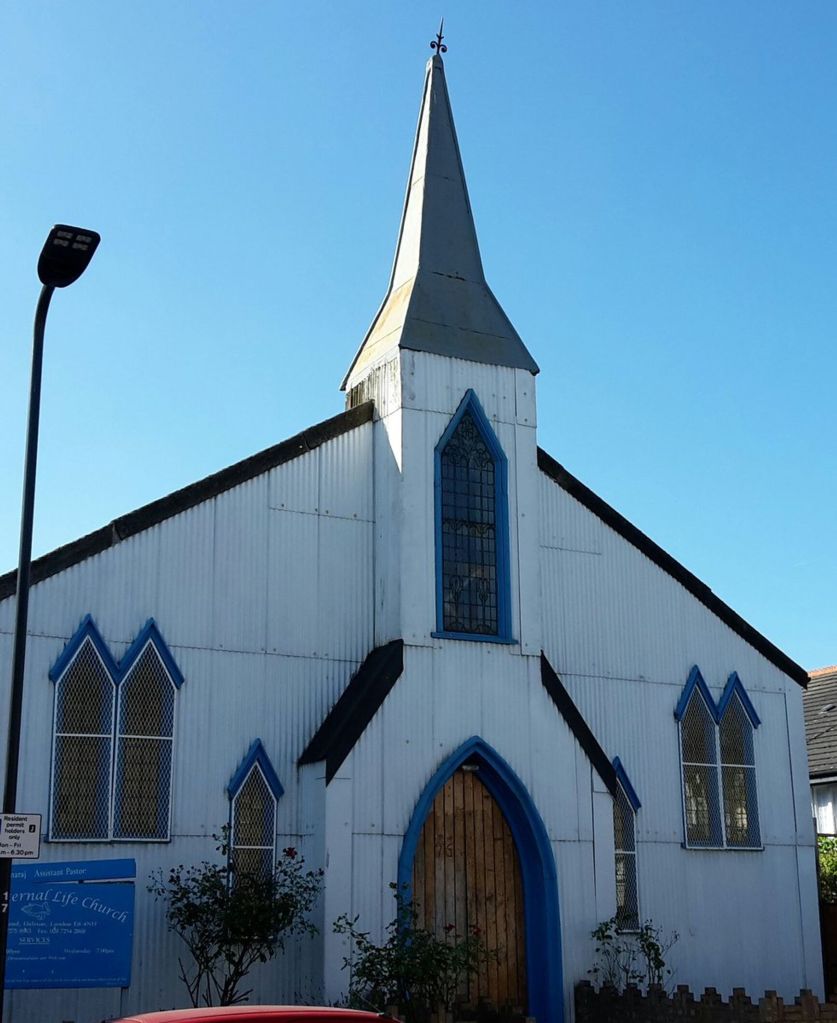
Her father, John Bee Wright, was a congregational minister. The Wright family had moved to London in the late 1860s, where Wright was minister of the Kensal Road Iron Chapel. Iron chapels were temporary structures made from corrugated iron and usually replaced by a permanent structure when funds allowed. Wright became infamous for his legal attacks on those he found working on Sundays.
In 1870, the couple’s first child, Flora, was born. Two years later, the small family emigrated to Australia on the ‘Royal Dane’, arriving early in 1873.
Trevenen is built
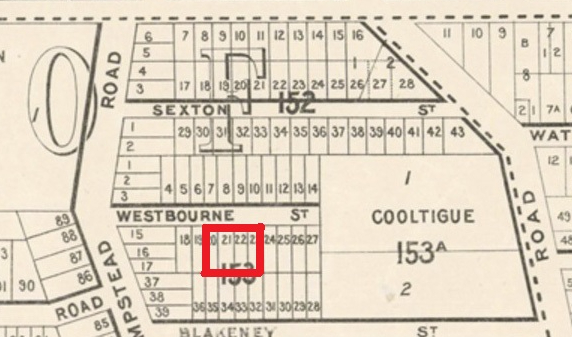
In 1876, the Notts purchased two of the allotments that Stephens had begun selling years previously. This was the land on which Trevenen would be built. Shortly after, they purchased two more allotments giving them a total holding of 1 rood and 32 perches, or just over 1,800 square metres. They also purchased other blocks in the street, as well as land at Sandgate and Tingalpa.
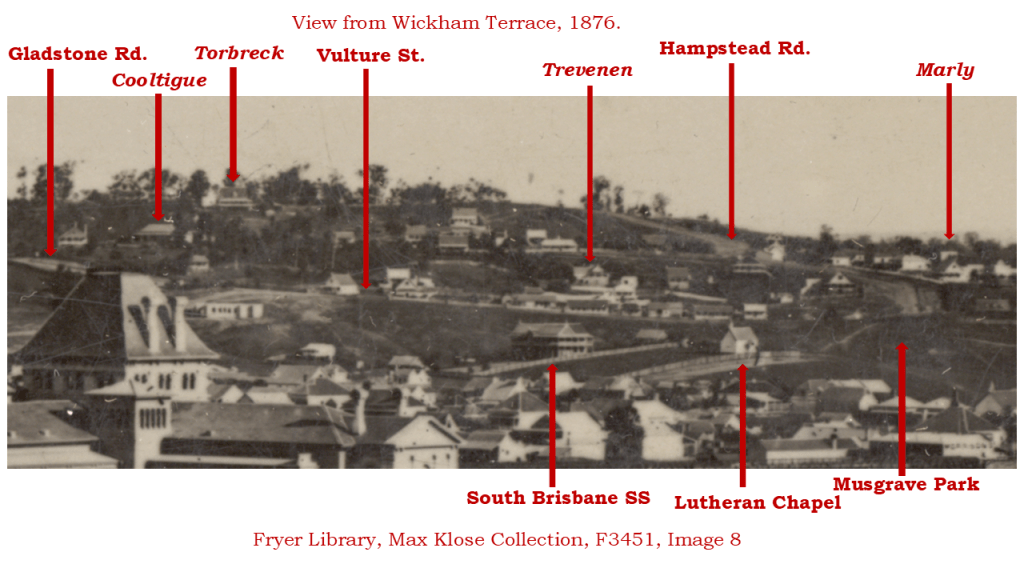
Nott wasted no time in starting to build the family home. The eastern section of Trevenen is visible in the 1876 image below and is the only one of the large houses marked that survives. The name of the house, and of another he built across the street called Trevarick, are both locations at his birthplace in Cornwall.
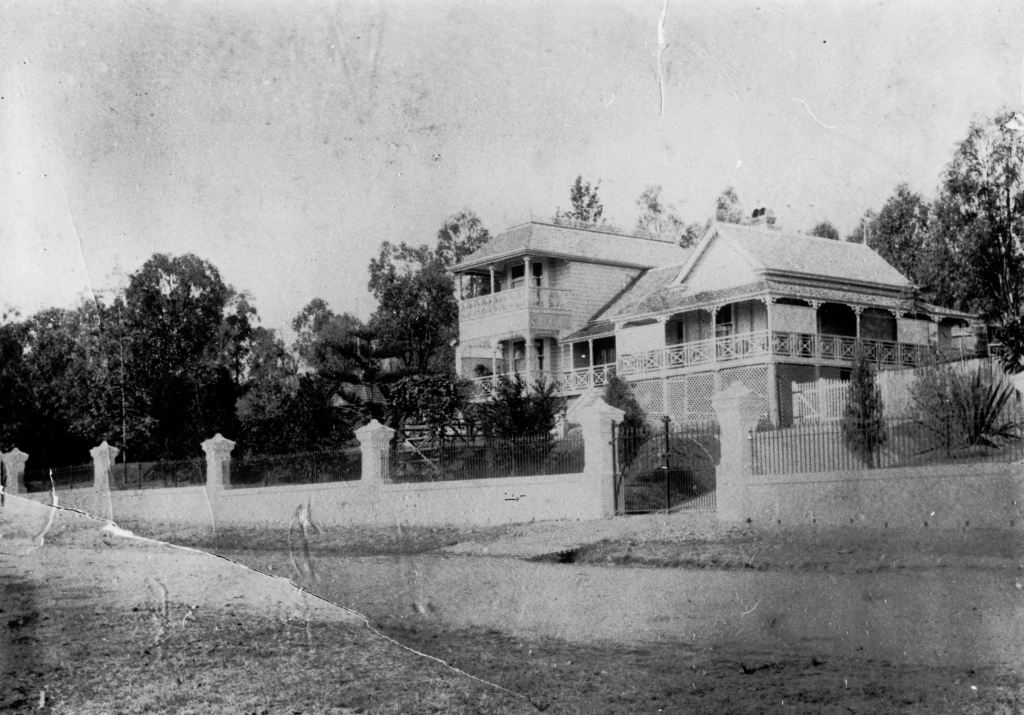
By 1899, the 2 floor western section was completed adding much needed living space. The Nott family had grown to include 9 children, with a tenth born in 1890.
The grounds had extensive landscaped gardens, a vegetable garden and a gardener’s cottage.

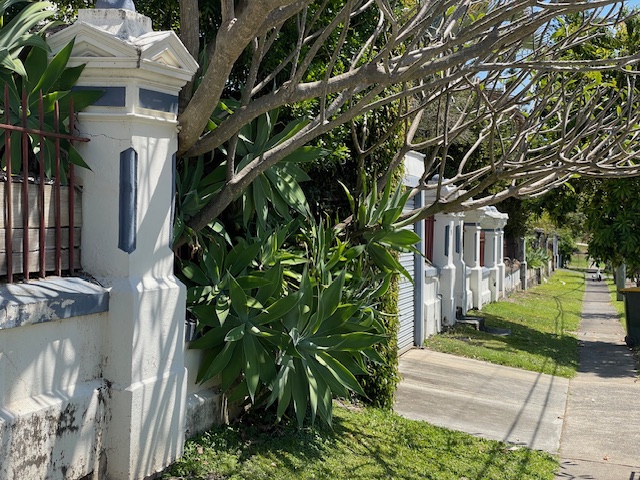
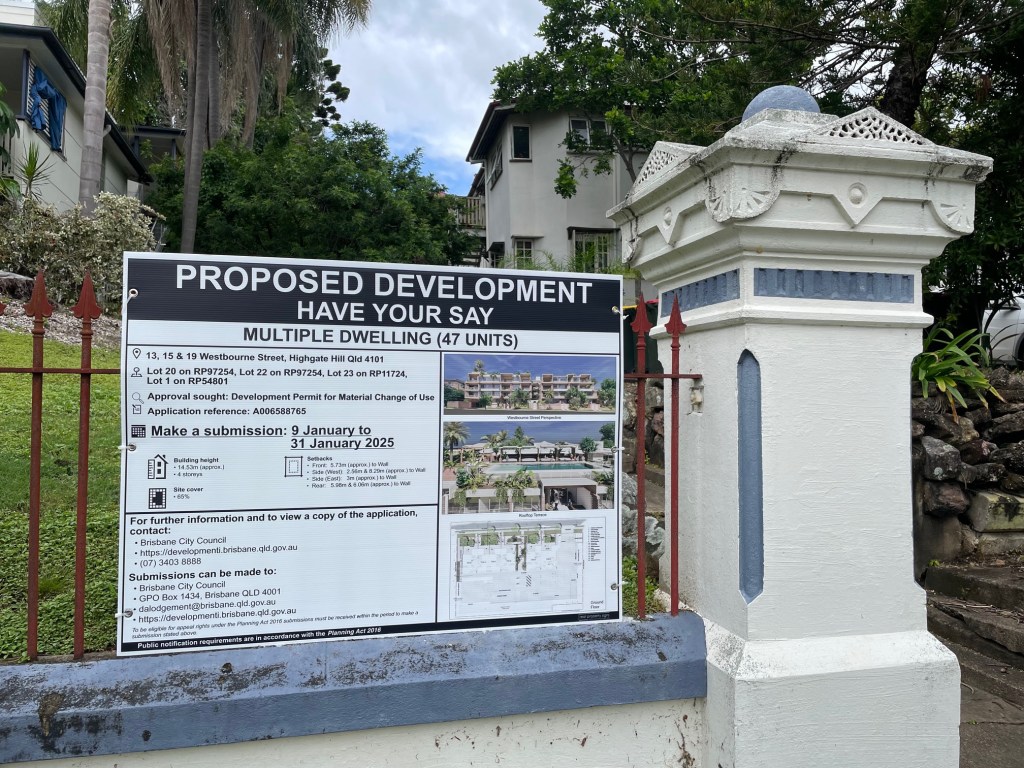
Along Westbourne Street, Nott built a masonry and wrought iron fence which still extends up the street today past six dwellings.
The first reference to Westbourne Street in post office directories was in 1883. In that year, Nott was chairman of the local council, at the the time the Wolloongabba Divisional Board. It’s very likely that he gave the name to the street, as Westbourne Park was where he and Martha were living at the time of their marriage.
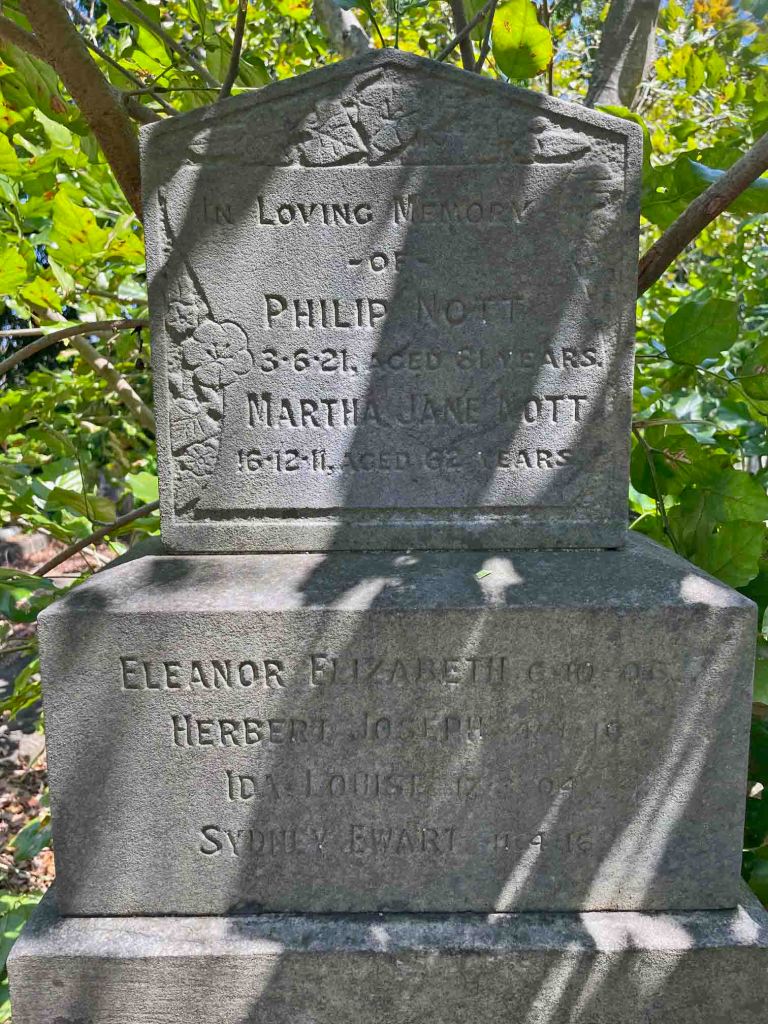
The family suffered a number of early deaths. Ida died in 1904 and Eleanor passed away in 1906. Martha, ten years younger than Philip, died 10 years earlier in 1911, leaving Philip a widower. Two of his sons, Joseph and Sydney, both died in 1916.
Nott’s building work
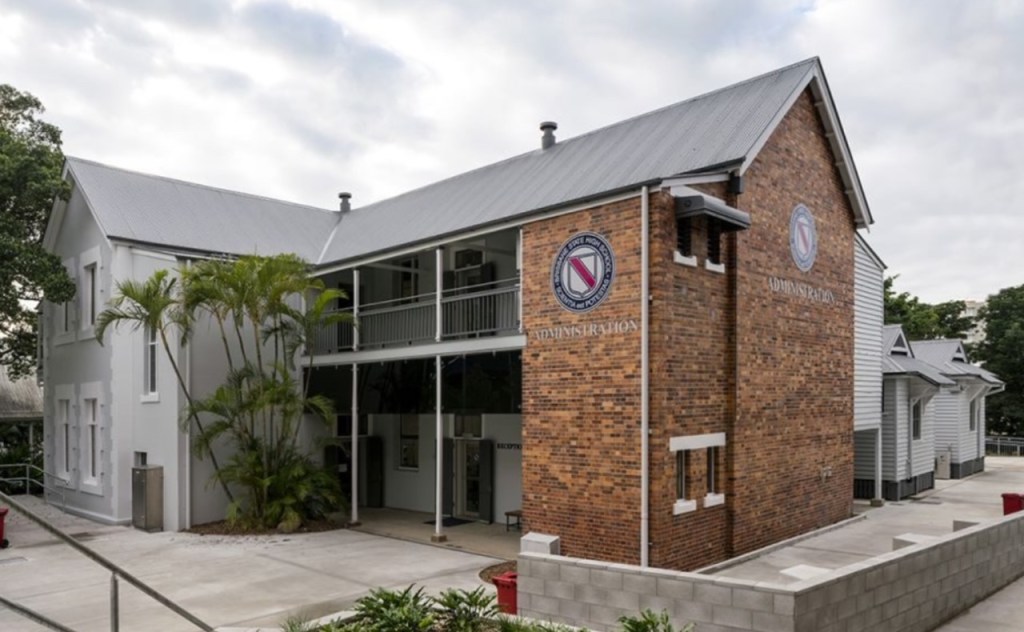
Nott had an active business as a builder and contractor, especially as the 1880s land boom took hold. One early surviving example from 1877 is a brick extension to the South Brisbane State School, now incorporated into Brisbane State High School.
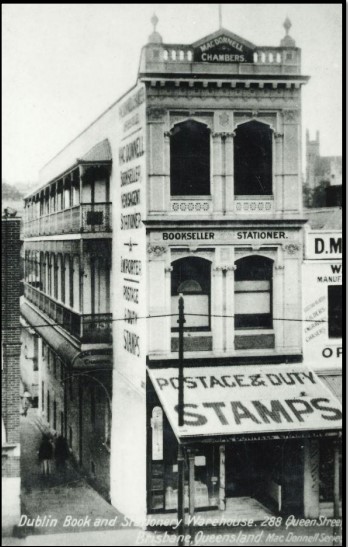
Another example of his work, from 1886, was a building constructed for auctioneer Michael Gannon costing £4,000. It stood on a narrow block in Queen Street opposite the GPO. The architects were John Hall and Son.
Community activities
Philip Nott was very active in diverse community affairs.
Church
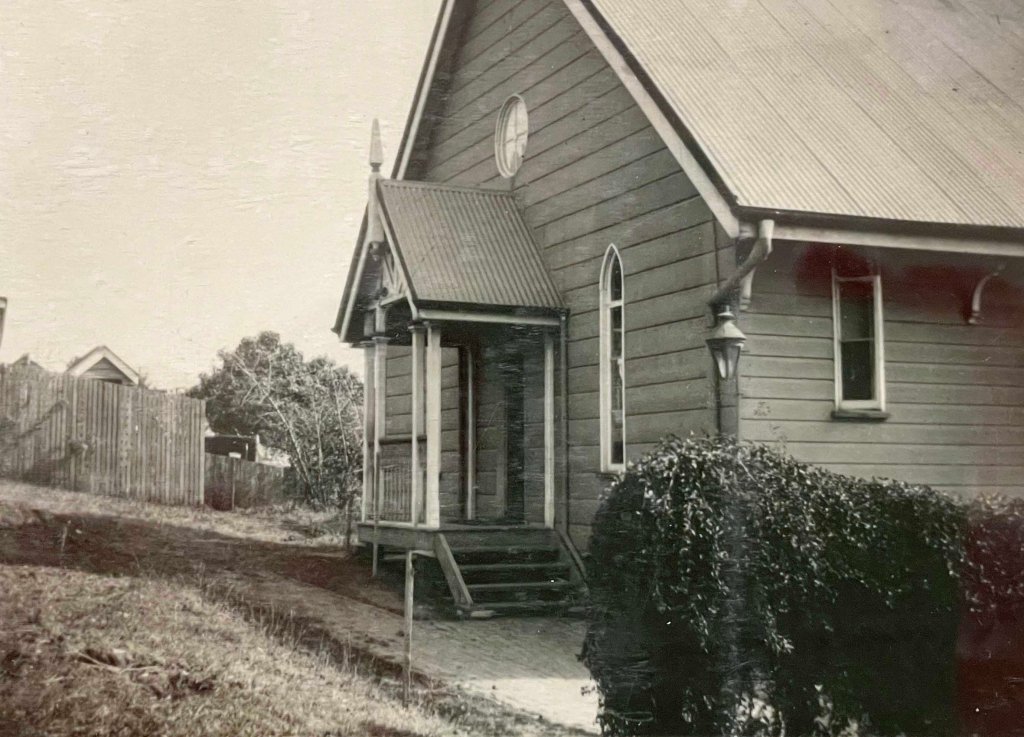
The Nott family had a long involvement with the Brighton Road Congregational church. Philip was treasurer for decades and Martha was often mentioned as a volunteer contributing to the success of events.
Temperance and morality
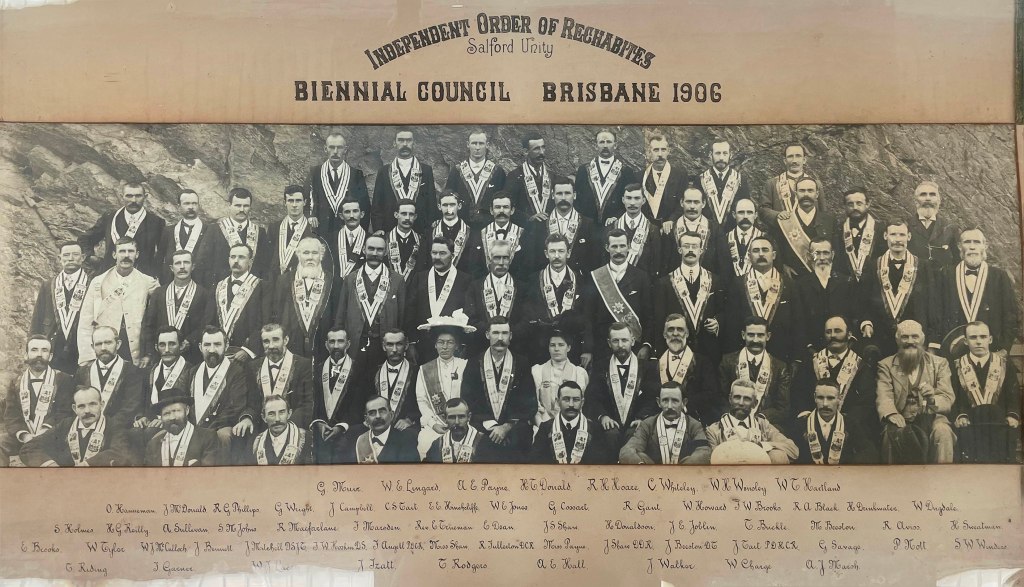
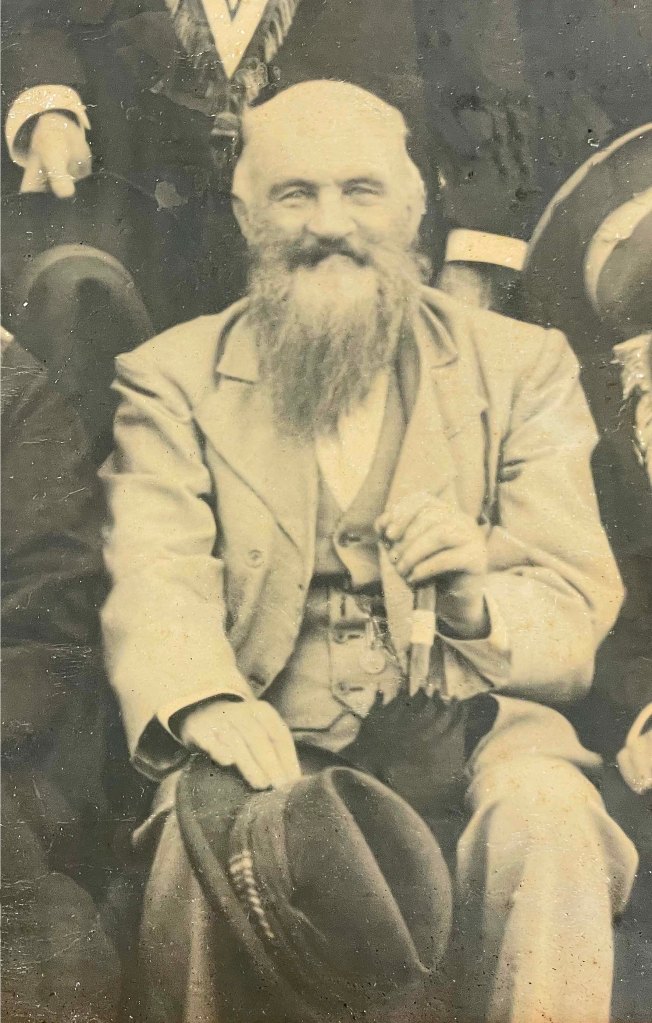
Nott was a member of the Independent Order of Rechabites, a friendly society that promoted complete abstinence from alcoholic beverages, and he was District Chief Ruler for 1878-1879 and 1886. He was involved in the 1890 and 1892 battles with Nicholas Walpole Raven who fruitlessly tried to obtain a licence for the hotel he had built on Montague Road. My post “Nicholas Walpole Raven and the West End Pub With No Beer” recounts the story in full.
Community service
Divisional Boards were established in 1880 to provide local government in areas of Queensland outside the boundaries of municipalities. Philip Nott was a member of the Woolloongabba Board from its inception until 1888. That year, it was combined with most parts of the Brisbane City Council south of the river. This formed the Borough of South Brisbane. Nott was elected as an alderman to the new council and, except for 2 years, continued in the role until 1903.
As was not uncommon at the time, Nott’s moral beliefs at times intruded into his aldermanic duties. In 1886, the Council had 4 men watching several bawdy houses on Hardgrave and Brighton Road day and night. He successfully moved that the names of those seen entering along with the identifying number of the cabs they used be tabled at the next meeting.
Nott Street in South Brisbane first appeared on maps in the mid-1890s. Given his long aldermanic service, it was probably named after Philip Nott. Ironically, it was close to Margaret Gregson’s extensive brothel campus, which started operating at about the same time.
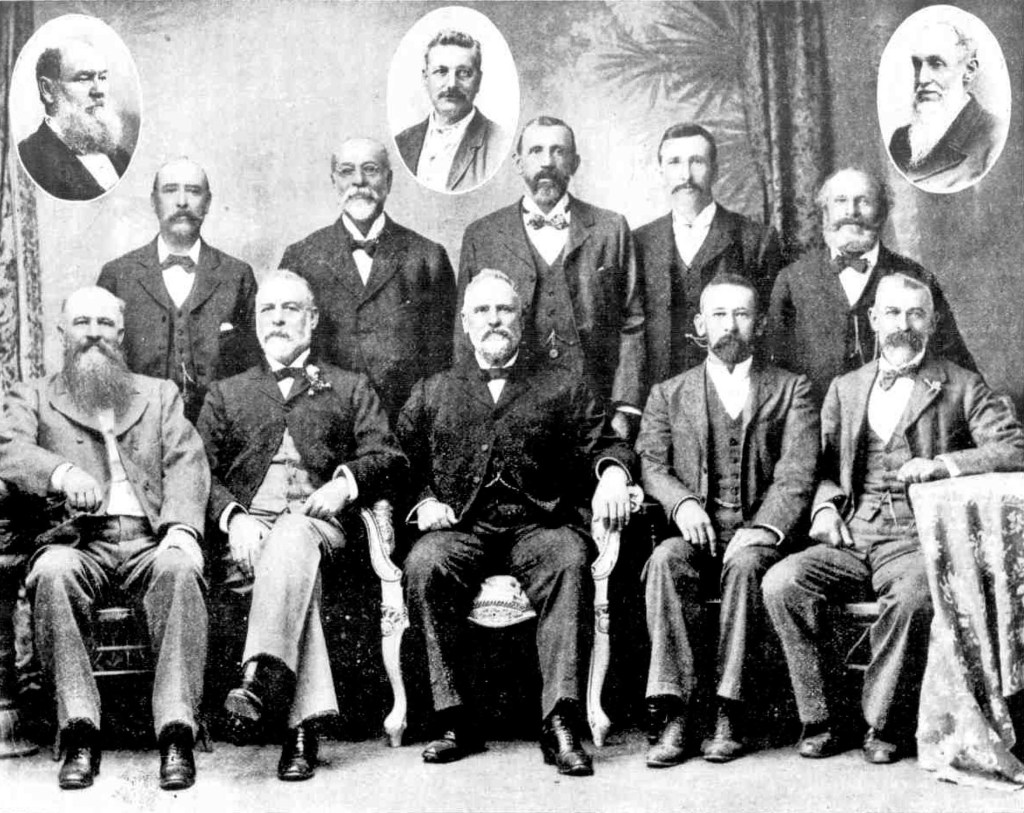
In 1899, Abraham Luya, who had been mayor for 3 years, was seeking reelection. Aldermen elected a mayor from amongst their number each year. In 1899 they struggled to reach a consensus, with endless votes over days of meetings. Finally, Nott was elected as a compromise candidate. No mayor served more than one year again until 1921.
Nott remained as an alderman, elected unopposed, for 10 years. In 1903, lawyer and local member of parliament Thomas Bouchard campaigned on the basis that a change was needed after so many years. He also claimed that there had been excessive council expenditures on Westbourne Street, where Nott owned several blocks of land. A much younger Bouchard won with 66% of the votes. The Brisbane Courier published a verse.
From Mr. Westbourne to Alderman Bouchard : ” I hoped to be returned, but alas! I am Nott! Serve the ratepayers right !!
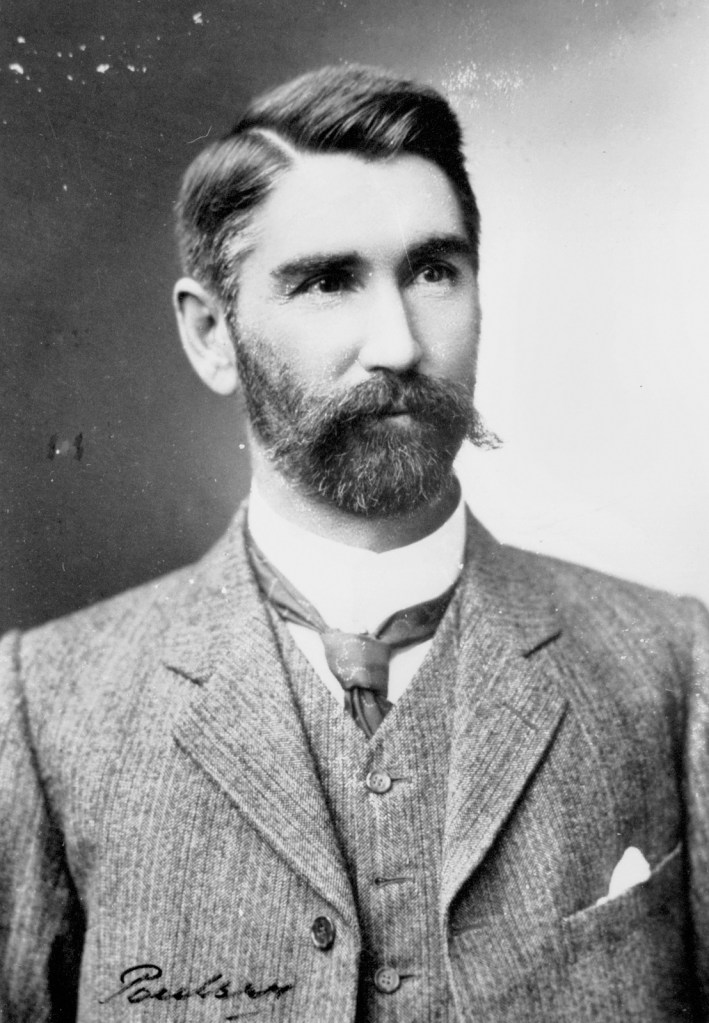
Over the years, Nott gave his time to numerous other community activities including the South Brisbane School committee, South Brisbane Fire Brigade Board, acting as JP and magistrate, trustee of the South Brisbane School of Arts, and Director of the South Brisbane Permanent and Suburban Building and Investment Society.
Trevenen is sold
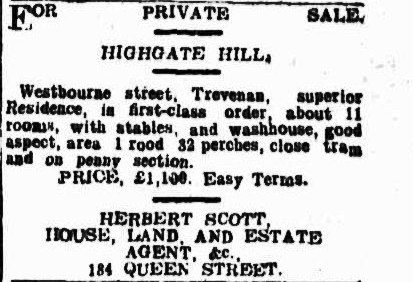
Like many others, Nott suffered financially from the prolonged depressed economic conditions in Australia following the burst of the land bubble in the early 1890s. In 1891, he mortgaged Trevenen for £3,000. In around 1910, the family moved across the street to Trevarick, a house that Nott had built on land purchased back in 1878.

In 1914, the mortgagers put Trevenen up for sale and it sold to the Beal family soon after.
In 1921, Philip died of heart failure.
The Beal family
Rockhampton
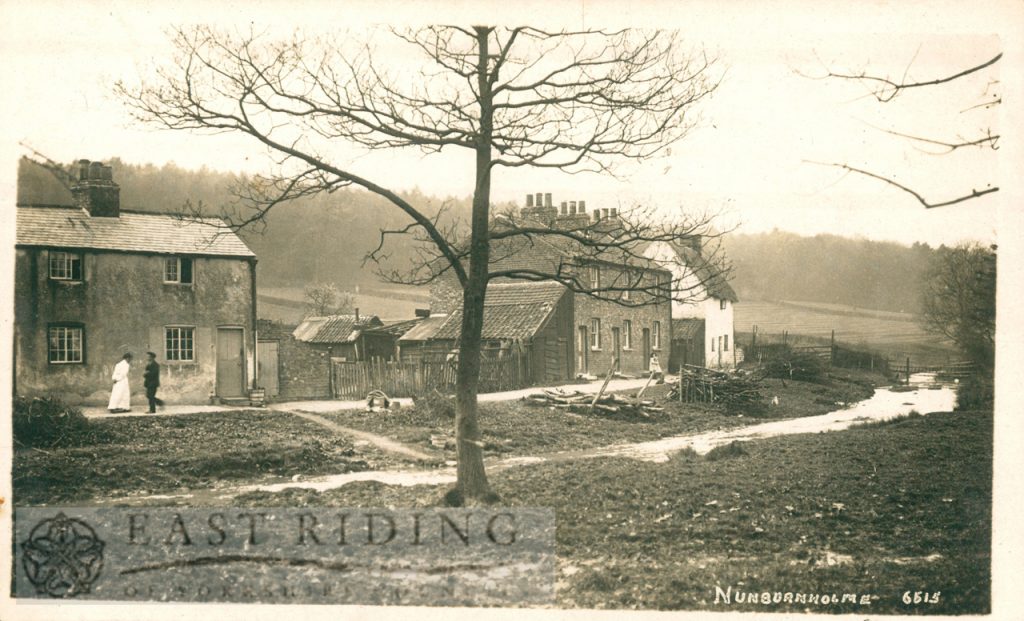
Albert Beal was born in Nunburnholme, Yorkshire, in 1877. In 1887, his parents, Peter and Mary, decided to migrate to Australia with their 4 children. They arrived in June on board the Merkara.
The family settled in Rockhampton, where Peter Beal worked as a builder. His 1926 obituary noted that he had worked on the Rockhampton GPO in 1895, and had been responsible for winching the dome on the clock tower into position.

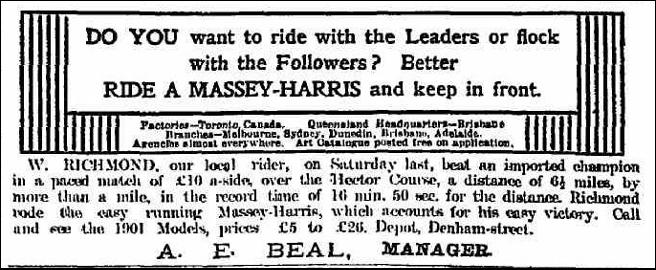
Albert Beal became a well known cyclist, and he competed regularly in Rockhampton as well as in Brisbane. In 1891, he commenced an apprenticeship as a draper, but after six years, he took up a job as a salesman working for James Howard. This was a Rockhampton firm selling bicycles and later motorcycles and automobiles. In 1901, Howard opened a Brisbane branch which eventually became Howard Motors.

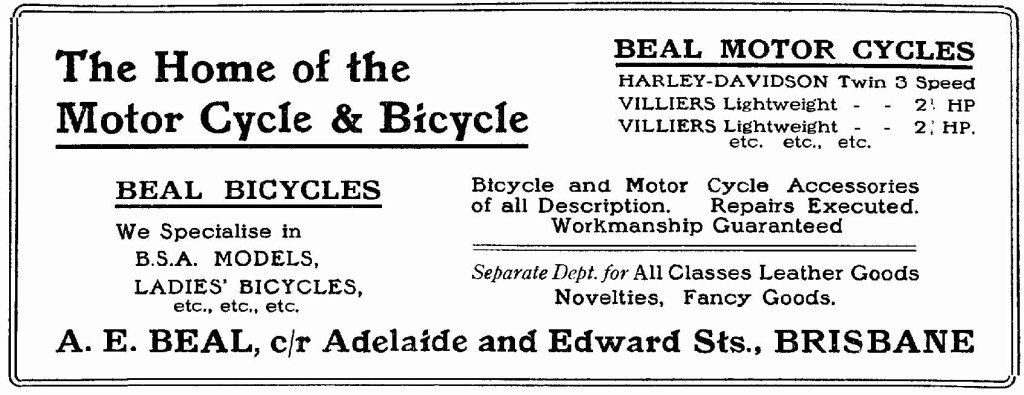
In 1899, Beal decided to go into business for himself, trading as A. E. Beal & Co., even though he had no middle name. He obtained the local agency for the Canadian Massey-Harris bicycles. Beal also built his own “Centralia” cycles.
The McLeod family
In 1874, Florence Mcleod was born in Cheetham, Lancashire, to an English mother and a Scottish father. Although in their 50s, her parents decided to migrate with their 5 daughters and one son. They left London in August 1889 on the SS Taroba.

It was an eventful voyage for 15 year old Florrie. The ship struck an uncharted rock off Mackay but proceeded on its journey as there were no visible leaks. Later she started to take on water and gangs of immigrants were put to work the deck bilge pumps. The Taroba had to be beached at Keppel Bay for temporary repairs before taking the immigrants on to Brisbane.
Her father John died the year after they arrived.
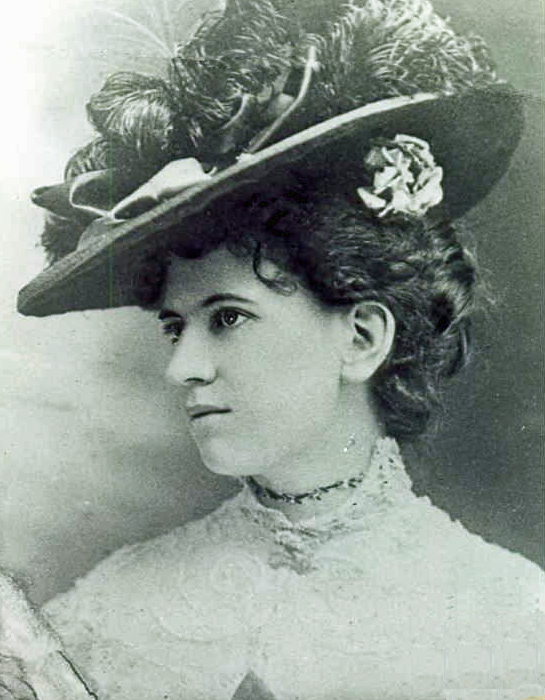
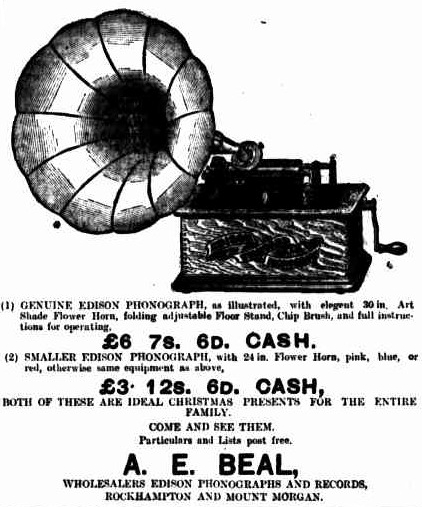
In 1900, Albert Beal married Florence at Saint Mary’s, Kangaroo Point. Beal’s business continued to expand and by 1906, he was selling Edison Phonographs and records, as well as sporting goods.

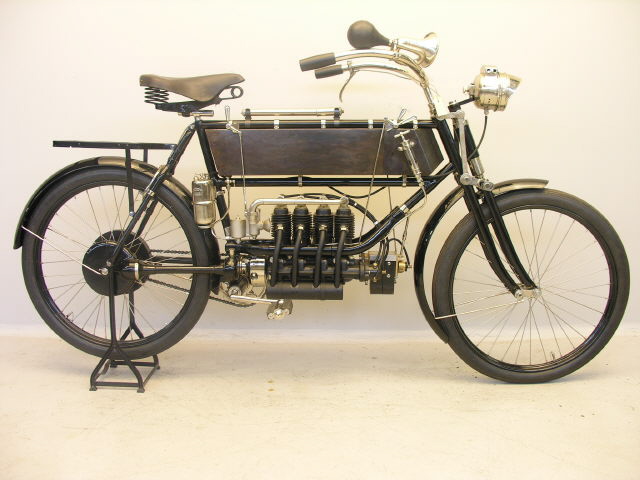
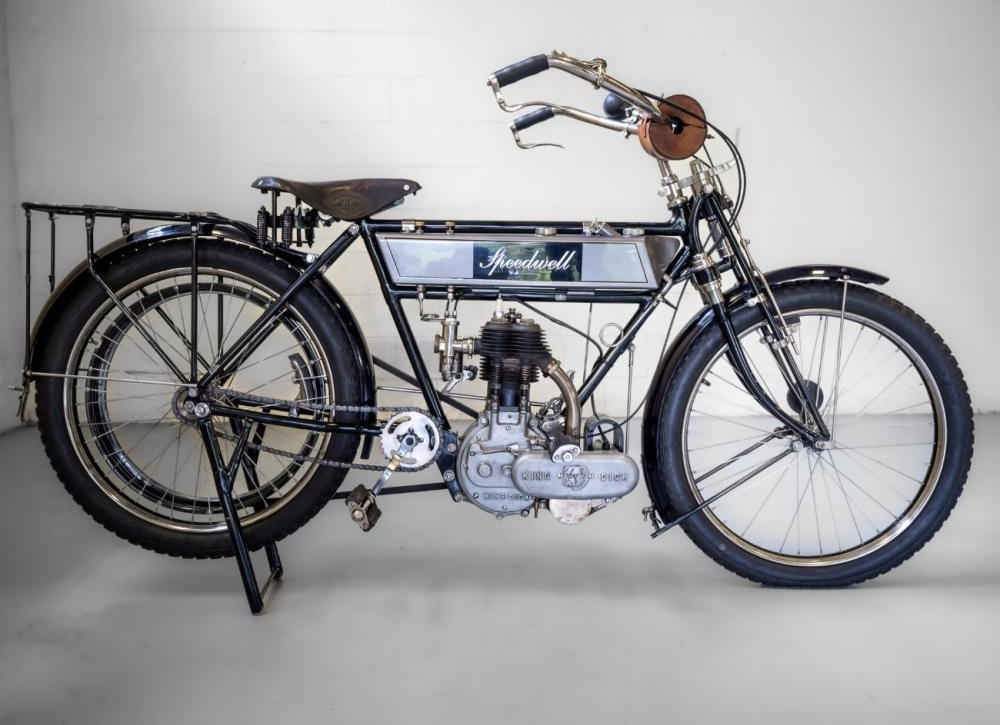
The year 1909 was a big one for Beal. He started selling FN motorcycles from Belgium and English Abingdon models. He also decided to open an outlet in Brisbane, run by a manager.
The move to Brisbane
The Brisbane branch was initially located at 367-369 Queen Street, between Creek and Wharf Streets.

In early 1913, Beal moved his Brisbane store to bigger premises in the old Finney, Isles and Co. building at the corner of Edward and Adelaide Streets. Finney’s had moved to their new “Big Block” building on Queen Street in 1910. Beal occupied the corner shop, and he began referring to “Beale’s Corner” in his advertising.

Beal was the sole Queensland agent for a number of imported motorcycles. He had a workshop in the basement where he did repairs also fitted sidecars built by local coach makers.
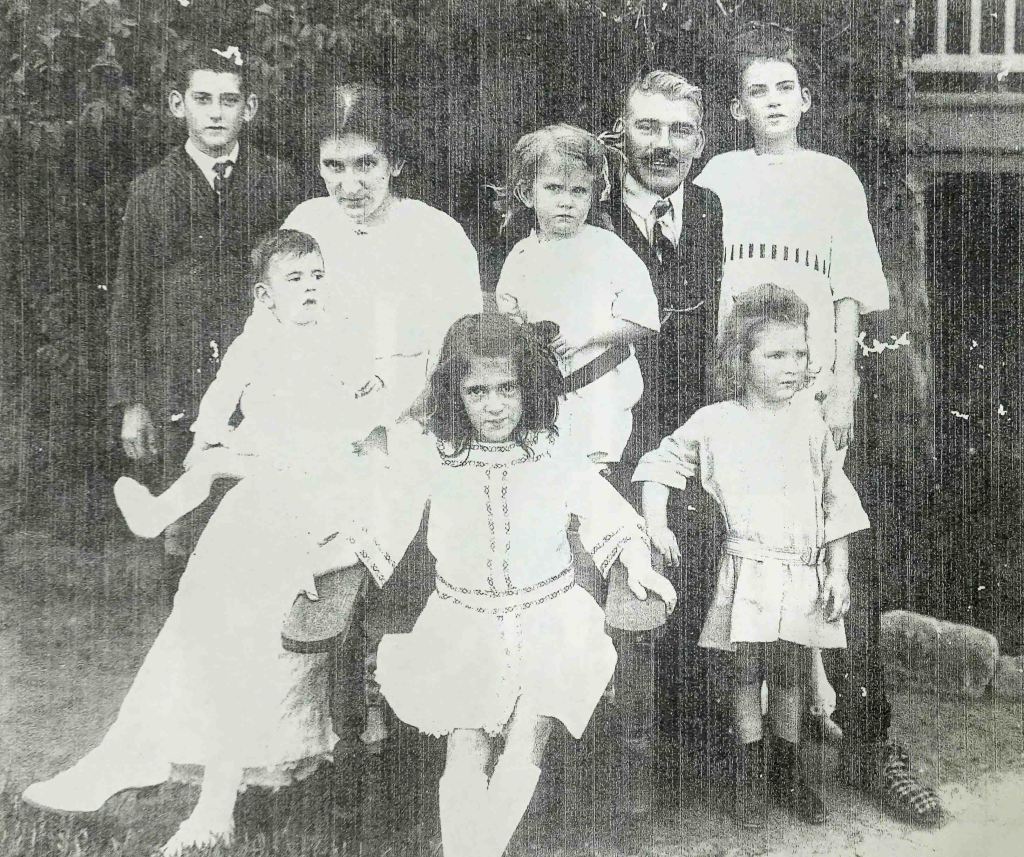
In 1914, the Beal family moved to Brisbane. In March of that year, title to the Trevenen property transferred from Nott’s mortgagees, Eugenia Withers and Ernest Stevens, to Florence Beal.
Beal continued with his cycle business until around 1918, adding leather goods to his offerings.
In 1922, the Beals took out a large mortgage of £2,000. Around this time, they converted the two floor eastern wing into 4 self-contained flats for rental. The renovations also included the enclosure of the western verandah and the addition of a turret to the front corner.
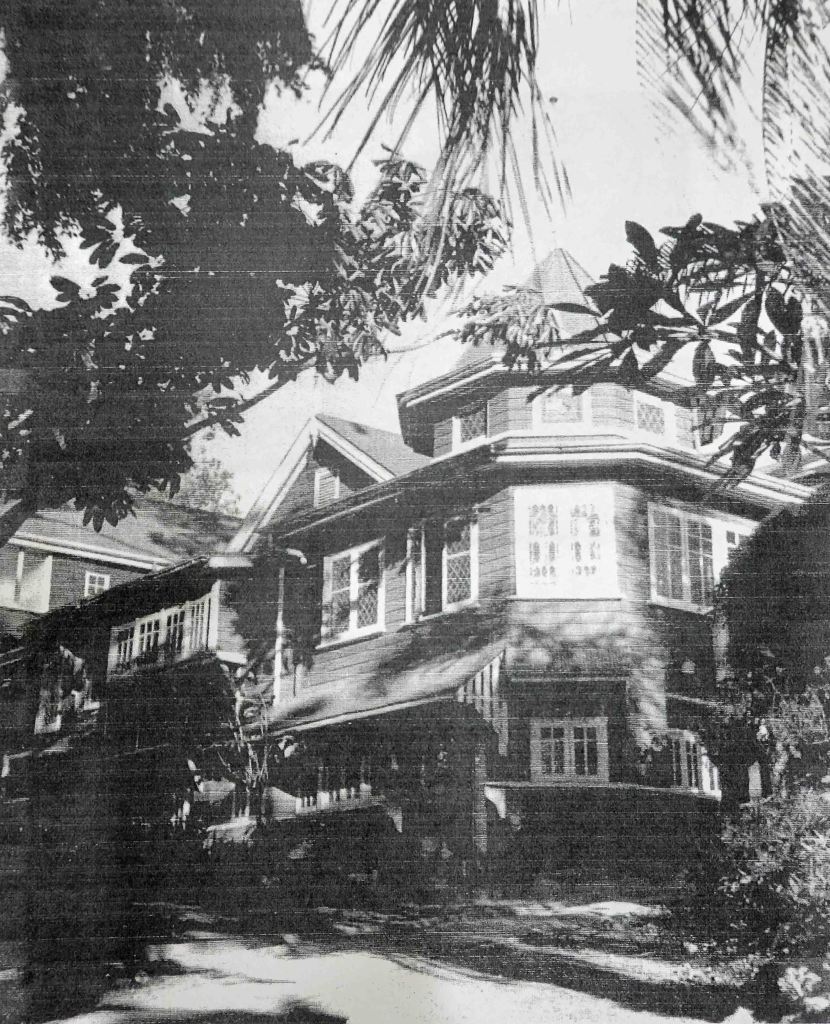
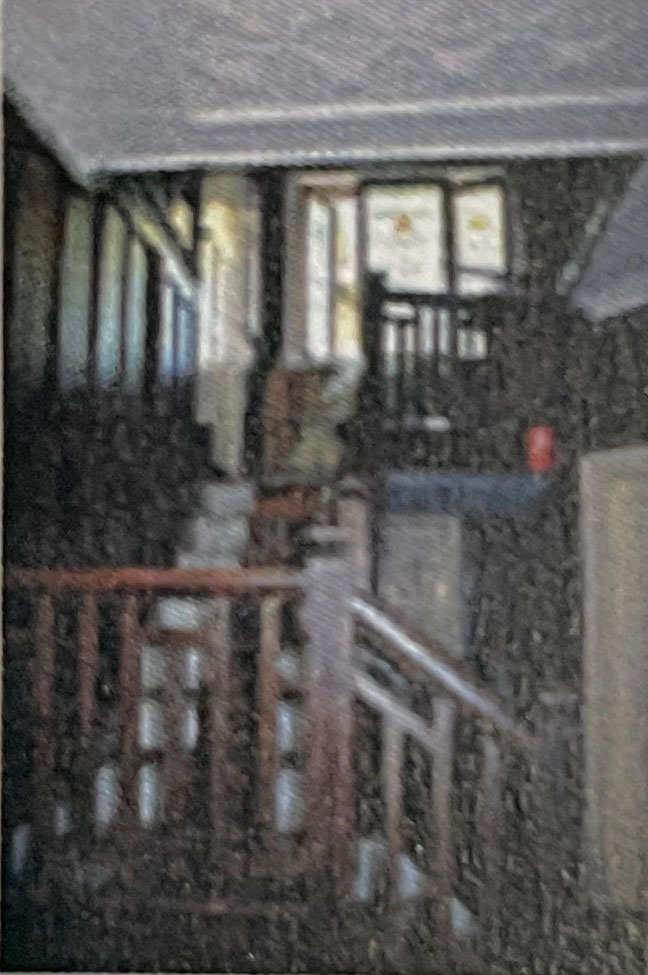


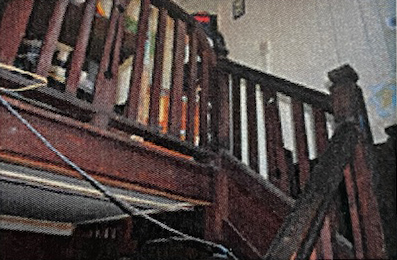
The 2001 Brisbane City Council heritage citation quotes Mrs. Jenny Roermann, a granddaughter of the Beals.
“I recall the beautiful parquet flooring of the ball room which had diamond-paned windows, a grand staircase in the middle of the house, and a lesser one to the hall on the western side, and large lounge and dining rooms. It’s sad to see another part of our city’s heritage neglected.”
Florence advertised the flats from late 1922, and from 1923, she called them Le Jardin Flats.

There are occasional mentions of social events at the house, such as the jazz party held in 1924 by daughters Mary and Marjorie and a dancing evening hosted by Joan in 1930.
Dancing was enjoyed in the lounge, which was decorated with poinsettia and asparagus plumosus. A
novelty dance was won by Miss Gwen Cullen and Mr. Gladstone Steele. The dining-room, where supper was served, was beautified with tall vases of ice and poppies and gum tips, and bright caps and bon bons added to the gaiety of the evening.
A description of the garden
The Council detail Plan of 1926 shows a large garden with numerous structures including a summer house, a coach house converted to a garage, gardener’s cottage and a wash house. The long fence, which remains on the street, is seen to be shared by Trevenen and Tarong behind it.
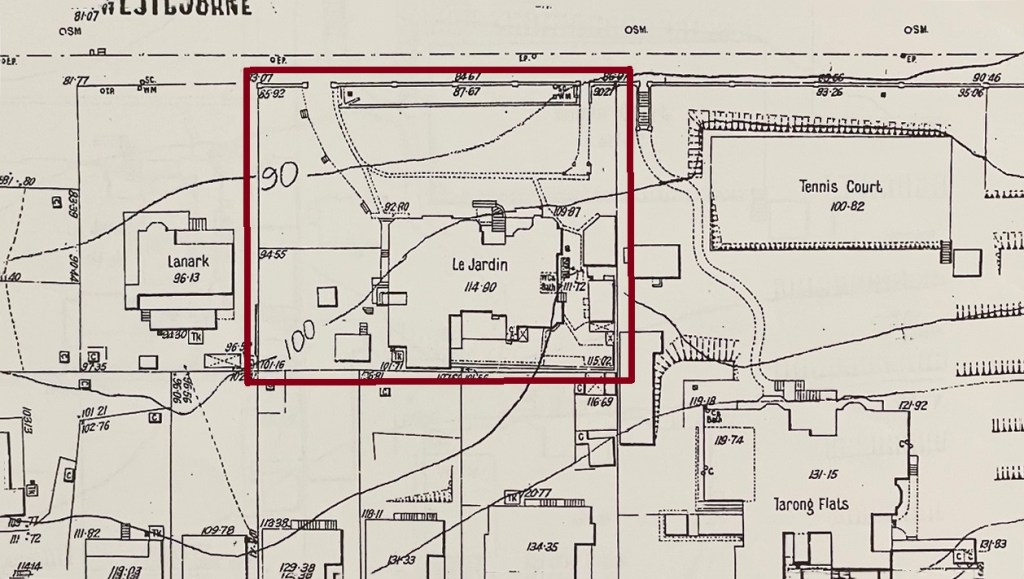
In October of 1928, a journalist from the Queenslander magazine visited several gardens in Highgate Hill, including that of Trevenen.
In the garden of Le Jardin the morning glory, a beautiful creeper, envelops and colours the wide-spreading branches of the weeping fig trees and the palms. In an adjoining garden is an old Jacaranda in all the gorgeous colouring of its violet flowers. Great and brave it stands; some vandals have cut and lopped its branches, but instead of dying in consequence it survives and spreads out fresh young limbs.
Not only are the garden and trees old and beautiful inside “Le Jardin Trewern”, but the rooms and staircase are panelled in English oak, and lined from floor to lofty ceiling.
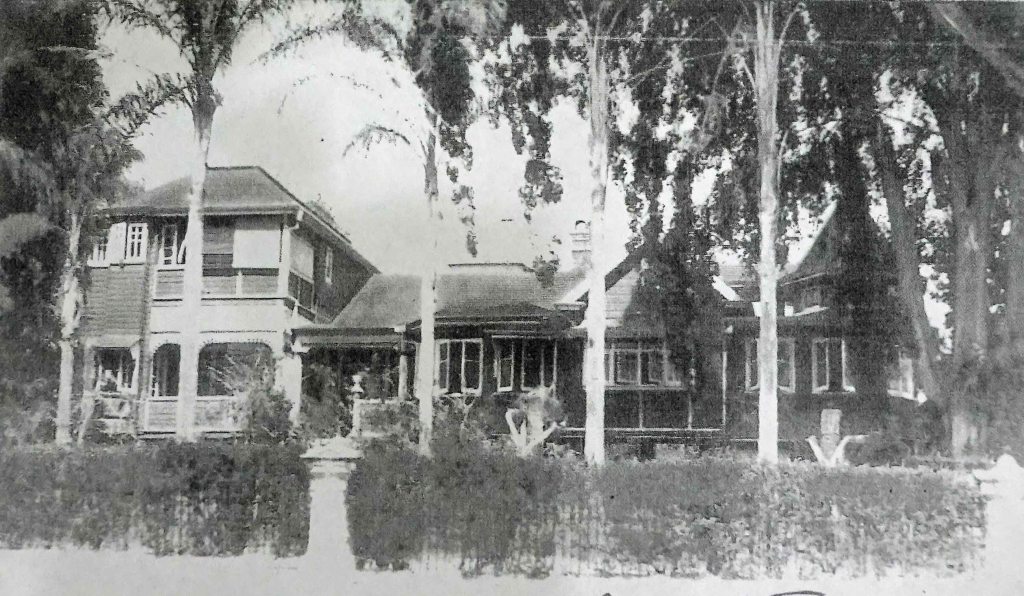
Mrs Jenny Roermann recalled the garden2.
Across the front of the property was lawn with large camphor laurel and palm trees. On the lawn was a wonderful swing sufficient to seat four with a platform and two wooden slat seats on a frame which enabled a few of us to swing together. When my grandmother was in her seventies, the garden was a challenge to keep trim. The family members had to clean gutters and drains, mow and help prune.
A fire, insolvency and a death
Advertisements for the city store cease after 1918, but post office directories still show Beal operating there as a merchant, indenter and importer. His focus was moving to motor cars.
In 1923, Beal started a car garage and sales business in premises that he was purchasing by instalment on Stanley Street, South Brisbane, opposite the Plough Inn.
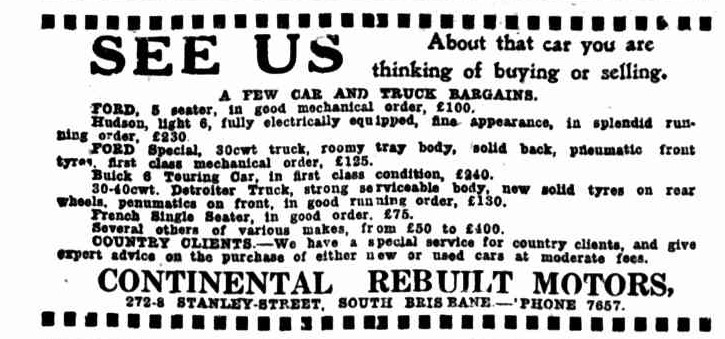
On New Year’s Eve of 1923, after the new business had been operating less than a year, a fire broke out, badly damaging the 8 cars that were on the premises. The subsequent enquiry decided that the probable cause of the fire was that fireworks being let off in a vacant allotment across Stanley Street next to the Plough Inn had landed on the wooden verandah. There was also mention of “half molo” men who frequented the area at night to drink and eat prawns.
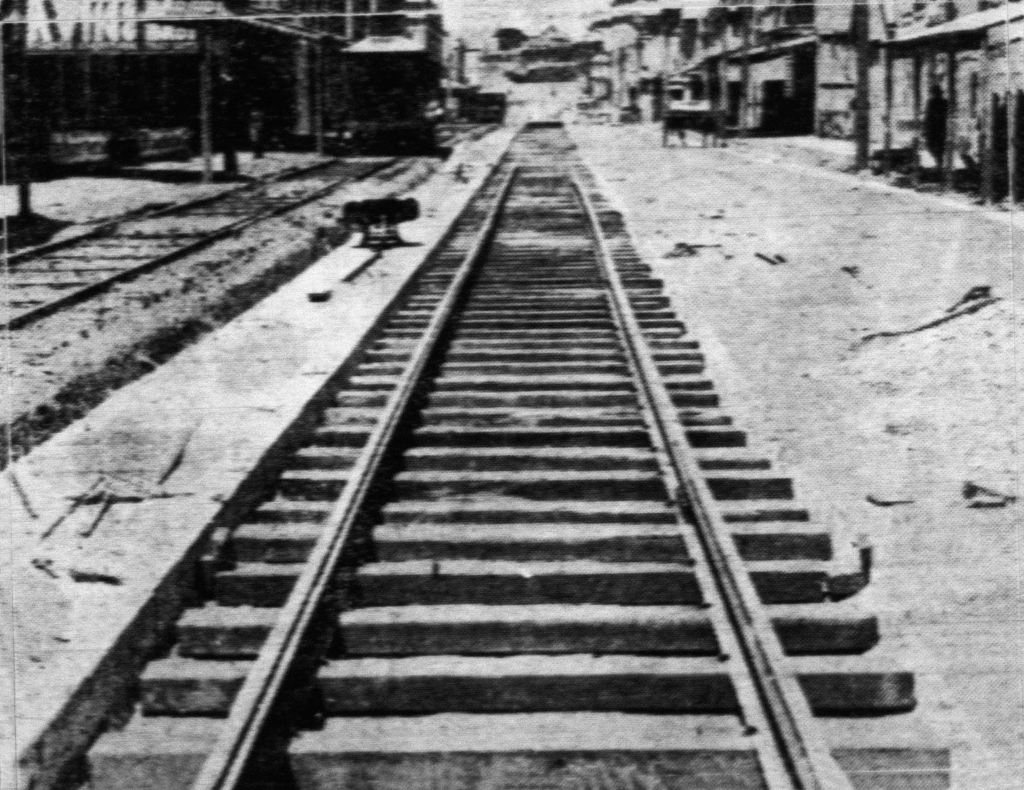
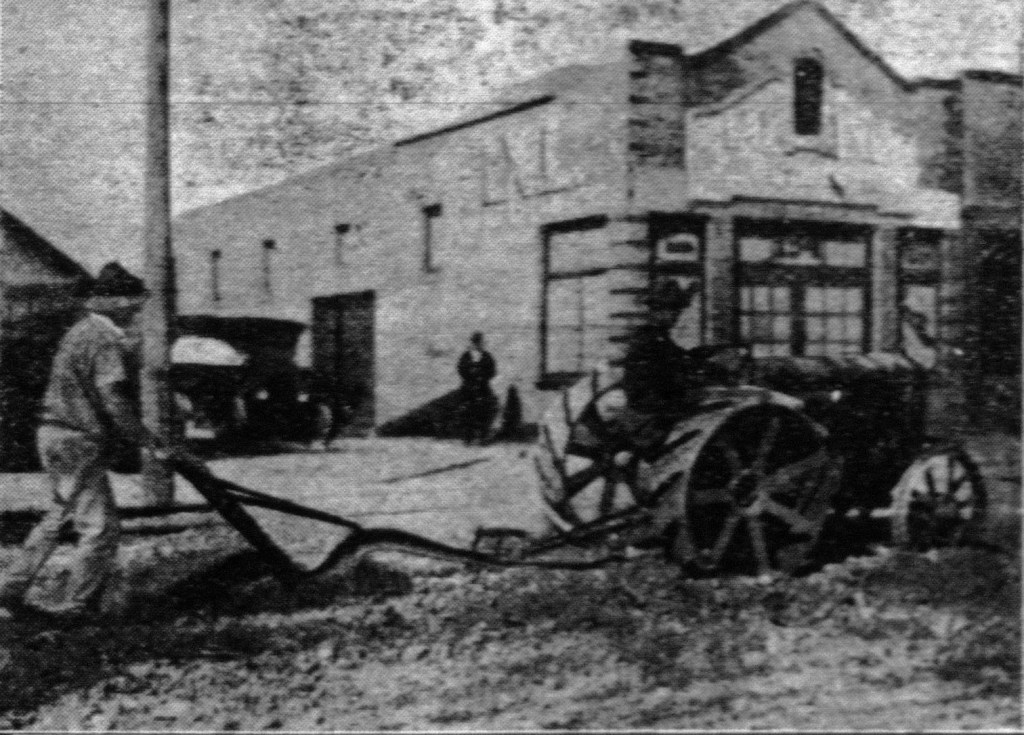
In June of 1924, Beal was declared insolvent. He gave the reasons as the ” loss of business through fire and the total stoppage of traffic through Stanley Street“3. Through the year there were large scale roadworks, including repositioning of the tram tracks, concreting the road surface, and conversion to one way traffic.
In 1927, Albert was living in Sydney, where he was looking for work. He was admitted to the Coast Hospital, now the Prince Henry, where he died. Florence still had 3 of her children at school to support and some of her older children were living at home. As her children left, Florence rented out further rooms.
A suicide
In 1932, one of the flats was occupied by a Mr. Edwards, who Florence described as being suspicious of others, preferring to take his meals alone in his room. Florence described how on the hottest summer day, he used to sit in front of a roaring fire, “with rugs piled around and about him in profusion“. He would deduct a penny from the tip he normally gave one of the Beal daughters who took up his meals if she arrived late or annoyed him.
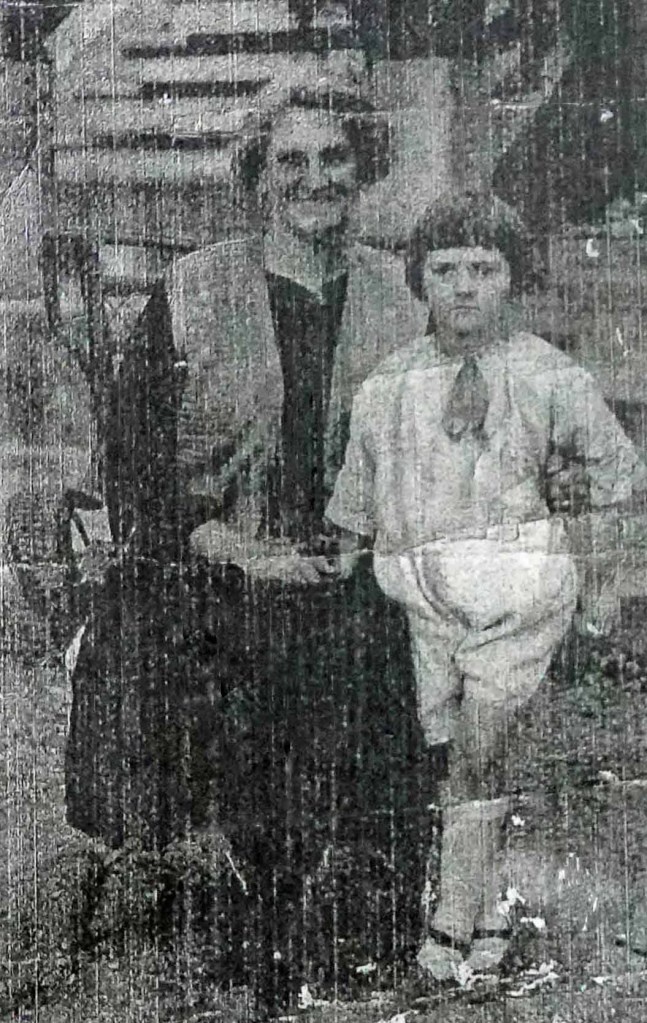
His real name was Edward Nason and he was a retired doctor. Nason attempted suicide by shooting himself in the head but did a bad job, and survived in hospital in great pain for four days before dying. Nason left instructions for a cheap funeral that was not to cost more than £10, and directions for the disposal of his personal effects.
In 1934, Florence sued the Public Curator in an unusual court case. She was seeking £200 compensation from Nason’s estate for property damage from his bleeding, lost flat revenue, and damage to a hearth rug burnt by Nason. The outcome of the case was not reported.
A dispute
Florence made the news again in 1943 when she attempted to have a tenant, Edna Patten, removed from her flat. She accused Edna of a number of things including “an excess of gaiety”, holding numerous loud parties. Family recollections2 were that they had parties which continued well past the hour allowed in the tenant rules.
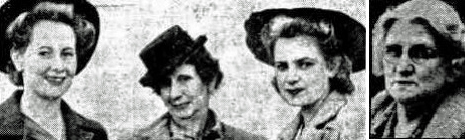
The Truth newspaper reported that in an attempt to have her unwanted tenant leave, Florence had at one point removed the furniture and had the door taken off its hinges. Edna and her flatmate Ailsa Colbourne were living with no electric power as Florence had it disconnected, and they were using a primus lamp and candles. The magistrate found in favour of Edna Patten.
Another fire
In 1952, a fire broke out in the western wing of Trevenen, making front page news. According to Florence’s granddaughter Jenny Roermann2, it started when a tenant was called to the phone and left an iron on and face down on an aluminium plate. This burnt through and the iron landed on the wooden floor, setting fire to it.
Firemen believed that one foot (30cm) deep pile up of leaves between the ceiling and the roof had caught fire, exacerbating the blaze. When they arrived, flames fanned by wind were shooting 20 feet (6 metres) through the roof. They extinguished the fire, but not before one of the 4 flats had been completely destroyed.
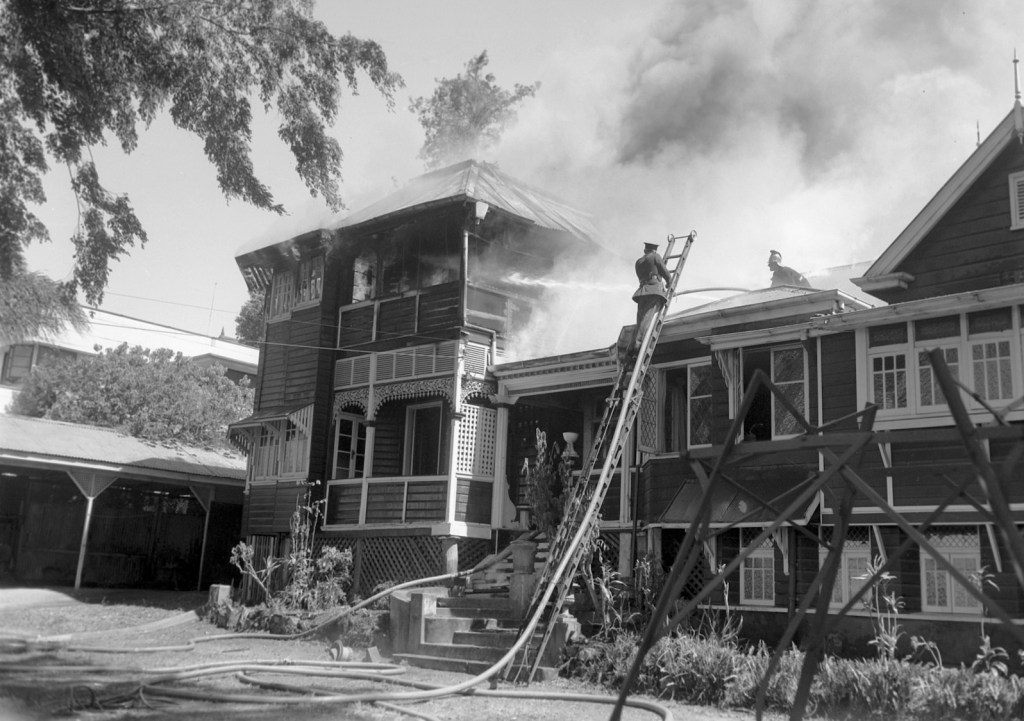
Three hours later, they were back again as the fire had reignited.
The long decline
In her later years, Florence lived in the sitting room and was virtually bedridden. She died in 1955, and the house passed to new owners. She had lived in Trevenen for 41 years. At that time, it was still configured as a private home in the eastern part, and four flats in the western side. The new owners converted it to a boarding house and it was registered for a maximum of 18 persons. An inspector’s report from 19582 lists 28 rooms, including 9 bedrooms and 8 kitchens.
In 1961, a section on the western side of the original block was split off to facilitate the construction of a block of flats.
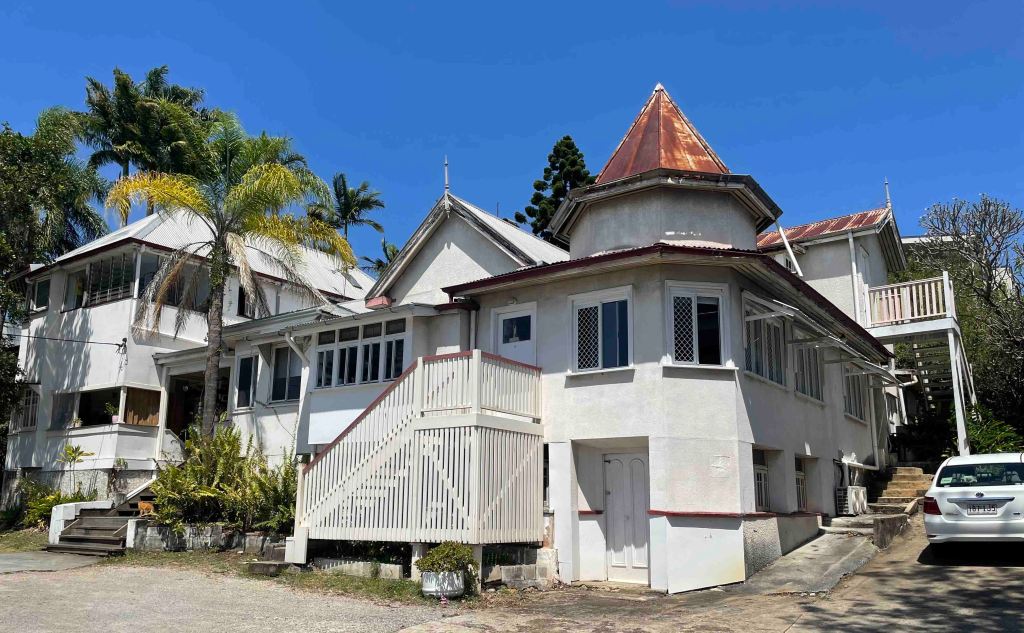
In 1997, a member of the Beal family made a submission to the State Government to have Trevenen added to the State heritage list2. The Heritage Branch decided that the house was not suitable for listing, however, in 2002 the Brisbane City Council determined that it was a site of local heritage significance and added Trevenen to their heritage register. It was later removed.
An interesting comment in the heritage citation2 was as follows.
Although presently quite run down, 15 Westbourne Street compares favourably with its neighbour, 11 Westbourne Street, which is of similar period, design and construction.
Lanark, at number 11 Westbourne Street, was subsequently restored and remains on the Heritage Register.

At the time of writing, the demolition of Trevenen had been approved.
© P. Granville 2025
References
- Nott and Wright Family History
- Queensland State Archives, Item ID ITM2638143 Trevenen (Le Jardin)
- Queensland State Archives, Item ID ITM1055438 Beal Insolvency
 Highgate Hill and Its History
What a long and interesting history of both the house and its owners. The criteria used by the BCC to determine its fate is mystifying.
LikeLiked by 1 person
Hi Brenda, the demolition was approved by a private certified. I suspect it was on the basis that it can’t reasonably be restored which is of course nonsense.
LikeLike
Hi Paul,
I just found this fascinating blog. Thank you very much for your great research.
In your experience looking at historical properties, do you think we as a community could band together to save this place from an egregious development?
I’m ready to push back, who is with me?
Regards, Ben.
LikeLike
Paul, another great piece of work.
From 1980-82 I lived in Pleiades, a 12 member commune in 16-18 Westbourne Street. As well as the two large houses we had a small cottage fronting Sexton Street. They are all still there. I often wondered about the lovely house across from us. In 1982 I left Pleiades to move, with Helen, to Mabel’s Treat, on Mabel Street, where we still live.
I hope that you are well and that all goes fine in your life.
Bill
LikeLiked by 1 person
Thanks Bill. You’ve had an interesting life.
LikeLike
Am guessing this sign is around a hundred years old then. I had a more pristine one that disappeared from my back porch at 19 Westbourne sometime in the 80s or 90s (was there for 18 years, this one given to me by someone who lived in one of those flats converted in 1922. Will forward this to Warwick who has has Lanark since 1982 I think. Yahoo Mail: Search, organise, conquer
LikeLike
Hi Sorry what sign are you referring to ? I guess it’s something to do my Trevenen post ? Thanks for forwarding it.
LikeLike
Thank you Paul for your amazing research.
In your experience do you think the local community has a chance of saving this area from the egregious development proposal that is currently in play?
I think this current development proposal would be a travesty and a betrayal of community trust from our local leaders and it must be stopped.
Who is with me? Contact our local council ward representative here. TheGabba.ward@bcc.qld.gov.au
Lets band together to retain the character of our beautiful Westbourne Street way of life and this development in its current proposal must be stopped.. They must retain the historical wrought iron street fence, the old buildings and upgrade no more than the same number of accommodations as is currently present as a responsible development proposal.
LikeLiked by 1 person
Hi It’s very difficult to stop a demolition after it’s been approved. Last time (2016) community members put a lot of effort into stopping things and the Miniter intervened but legally it couldn’t be stopped. https://www.abc.net.au/news/2016-02-11/brisbane-houses-facing-demolition-granted-stay-of-execution/7158078
LikeLike
Fascinating story, and it still looks like a great house. Certainly one worth renovating and restoring
I hate to see these character houses disappearing.
LikeLike
As a member of the Nott family who only happened upon Trevenen house yesterday I’ve left my time short to do anything about its demise. I am both amazed at its grandeur and flabbergasted that it has been so little appreciated. Great great granddaughter
LikeLike
A tragedy to be bestowed upon beautiful highgate hill can be avoided if the history of this building can appreciated. Will be sad to see it go :(
LikeLike